
Audio interfaces


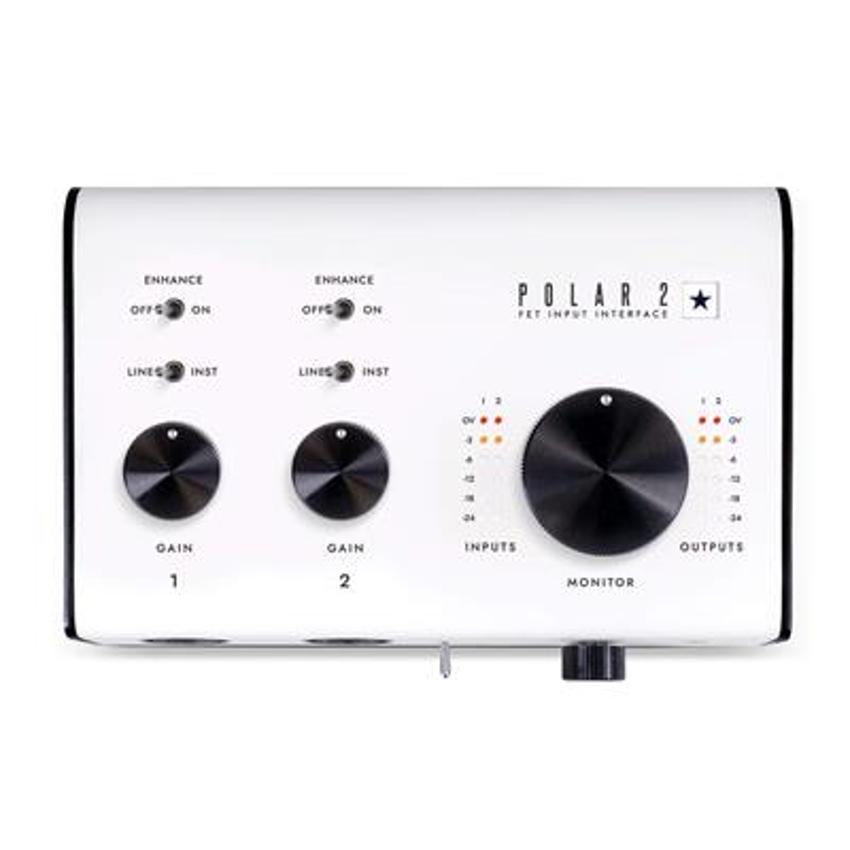
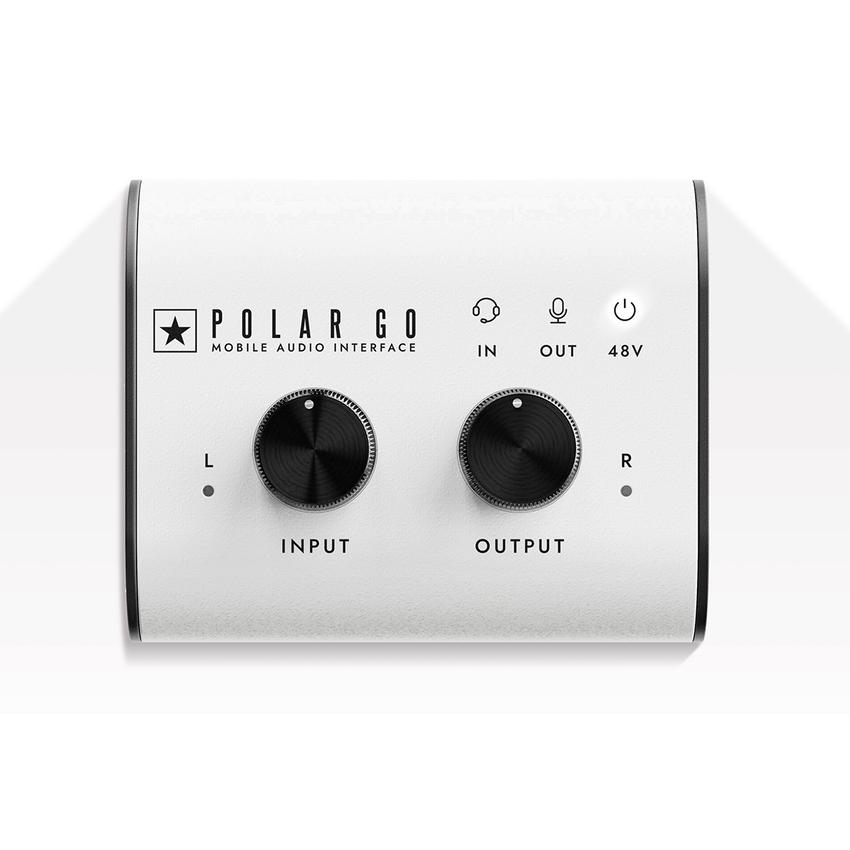
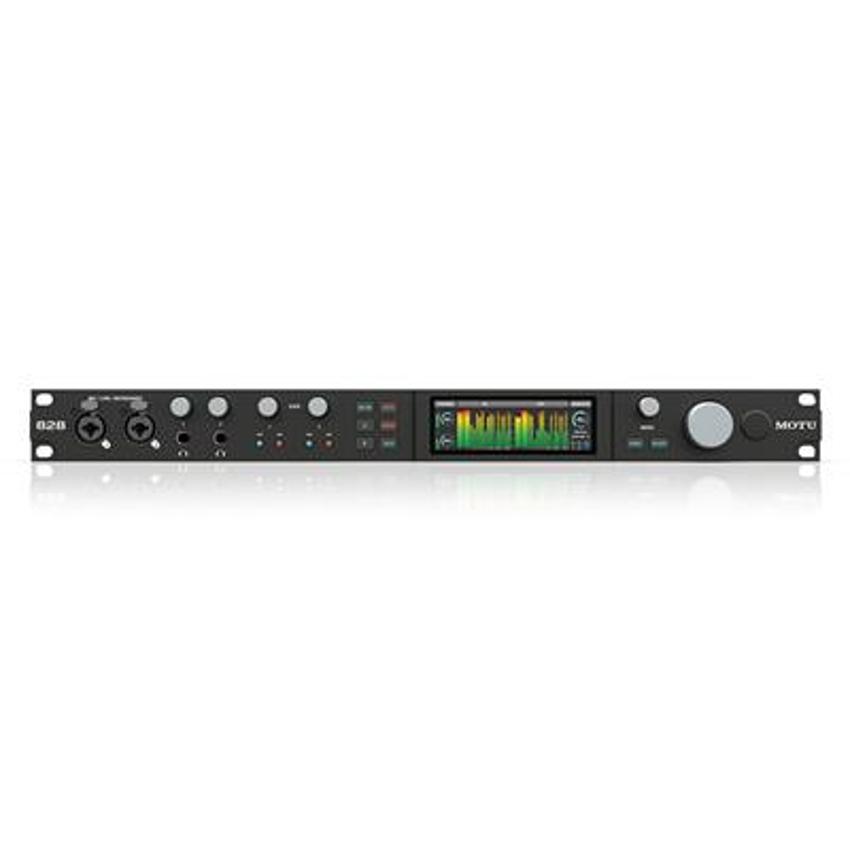
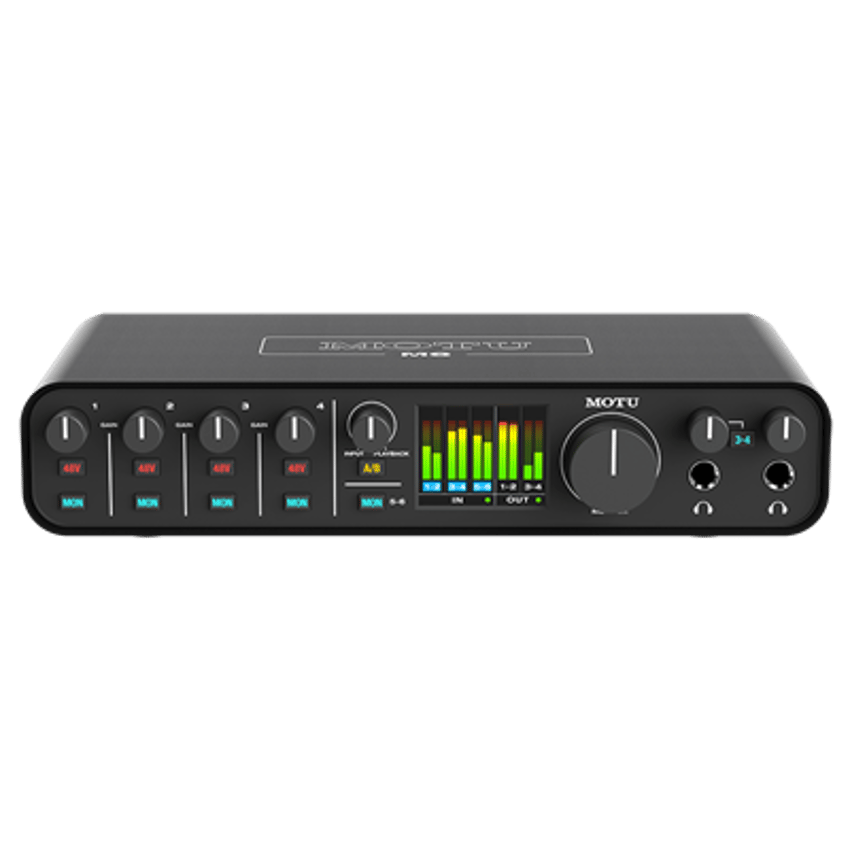

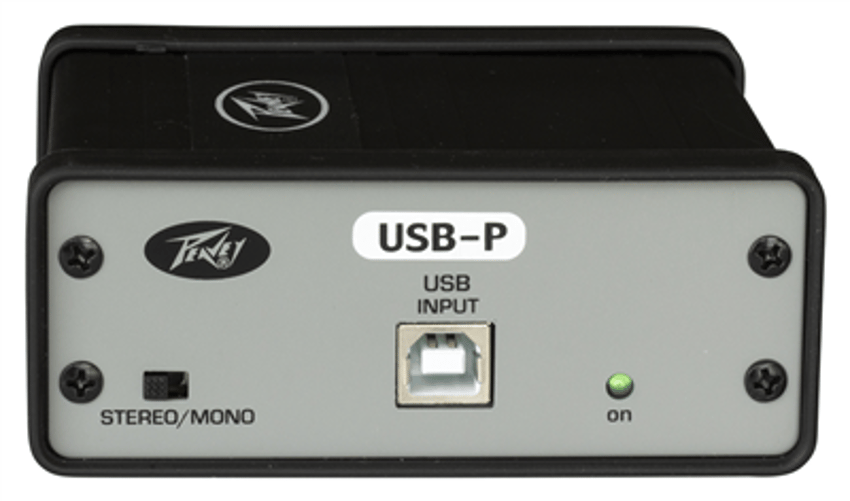
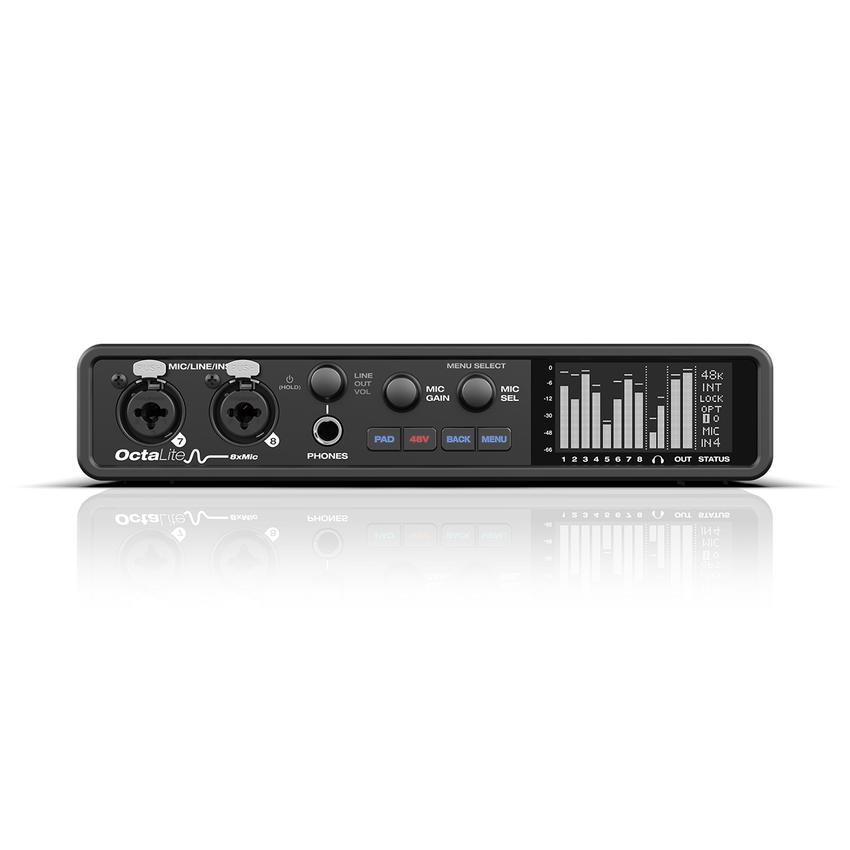
Audio interfaces:
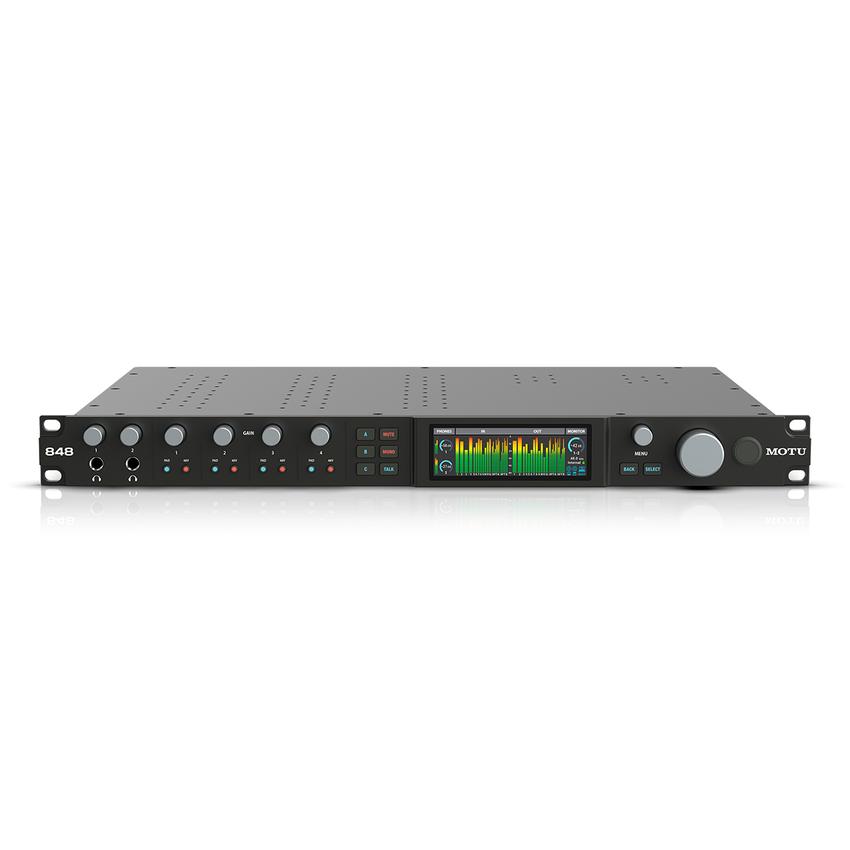
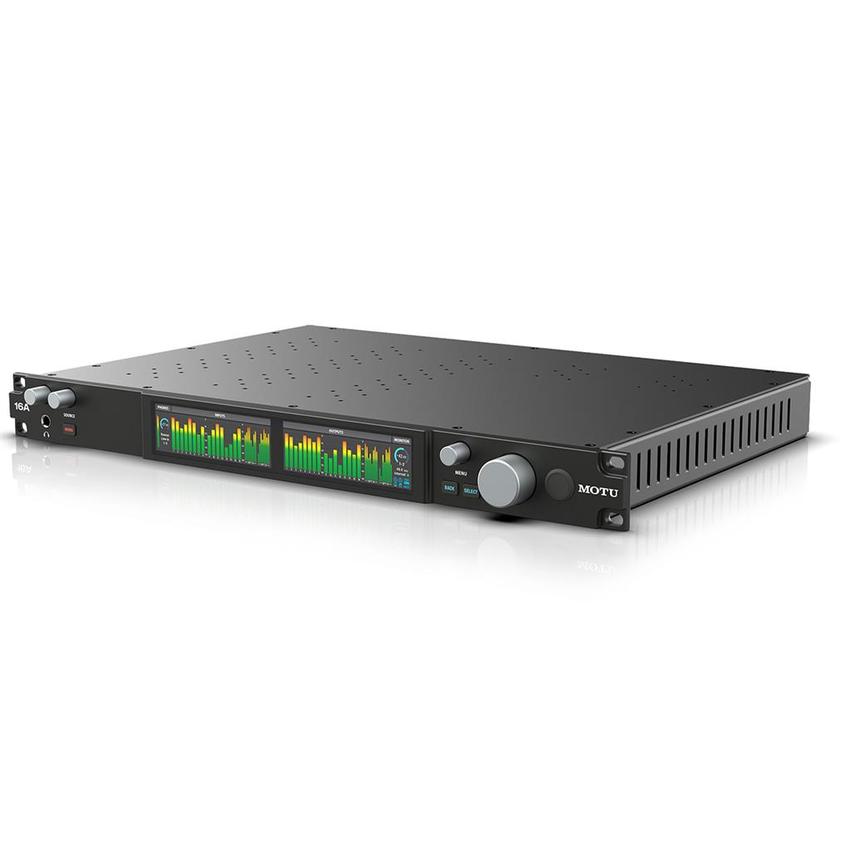
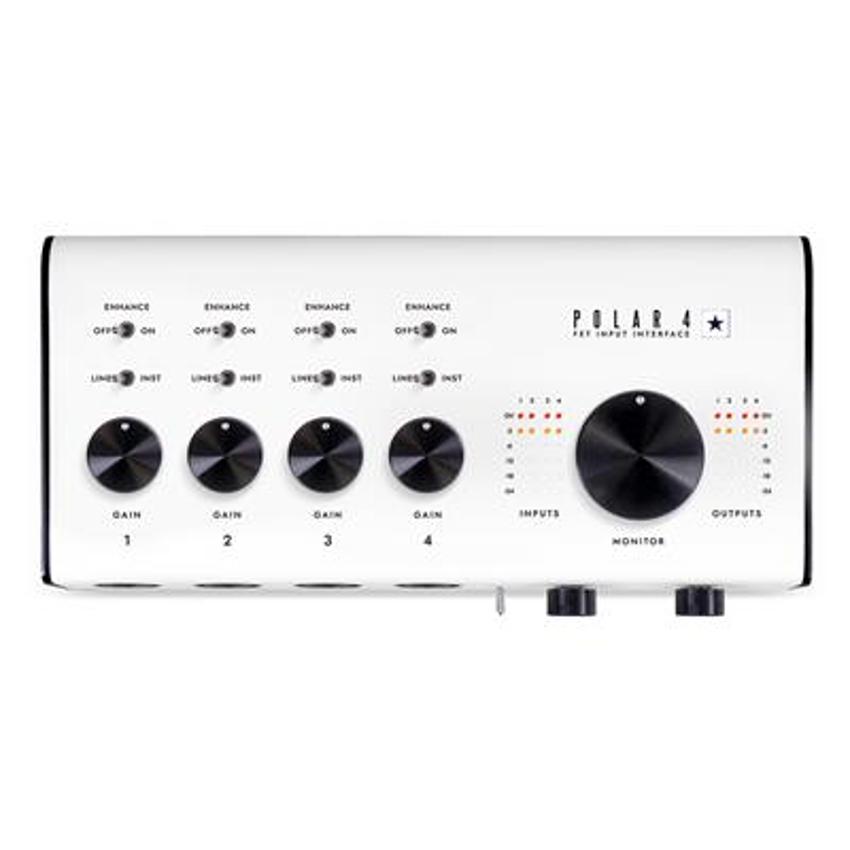
Audio interfaces connect instruments, microphones and line-level sources to computer-based recording systems. For music retailers, this category serves home studio builders, content creators, keyboard players, guitarists and small production rooms that need reliable conversion, low-latency monitoring and practical I/O formats. It is a compact category, but it influences many adjacent sales.
Unlike mixers or standalone recorders, an audio interface is built around conversion and computer integration. The main differences sit in input count, preamp layout, headphone monitoring, MIDI connectivity, USB or Thunderbolt connection, and bundled software support. Entry models usually focus on one or two inputs. Larger units expand into multi-channel recording, routing control and integration with studio monitors or outboard equipment.
From simple capture to studio routing
The assortment should cover more than one recording scenario. A guitarist may need a direct instrument input and a headphone output for silent practice. A producer may look for balanced monitor outputs, MIDI I/O and stable drivers for a DAW setup. A small rehearsal or teaching space may need multiple mic inputs and direct monitoring so players can record without hearing delay. These details matter at retail level because the buyer often compares audio interfaces by connection type before looking at brand or format.
The brands in our audio interfaces range
The range brings together manufacturers with experience in recording, amplification and pro-audio connectivity. These names give retailers different entry points into the category:
- Blackstar: British manufacturer known for guitar amplification, with recording and USB connectivity features across selected musician-focused products.
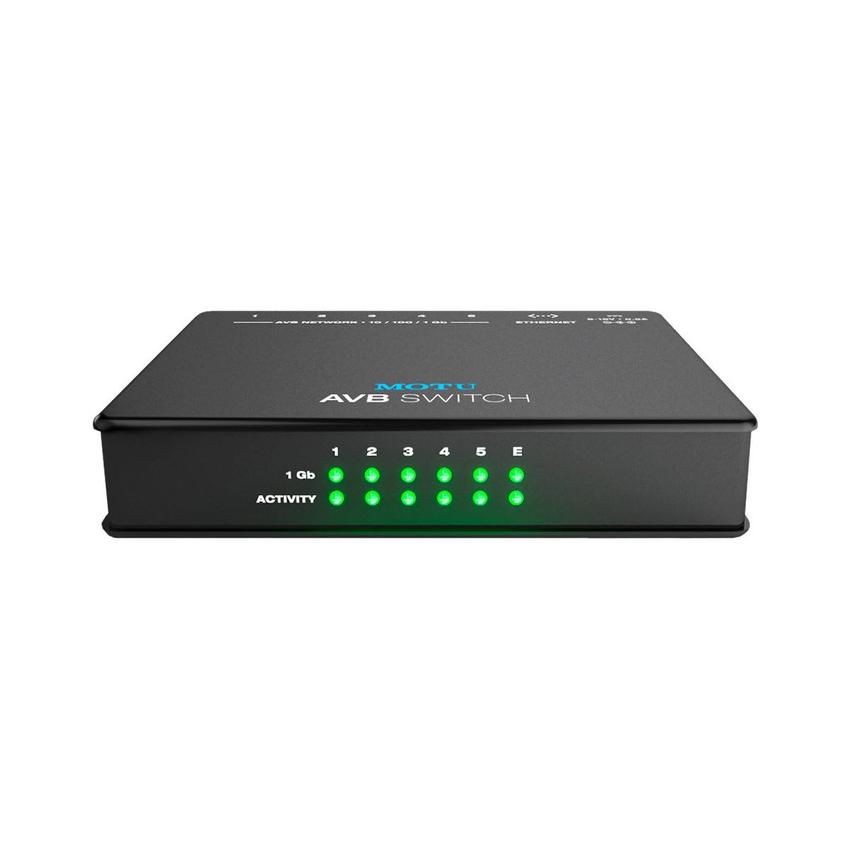
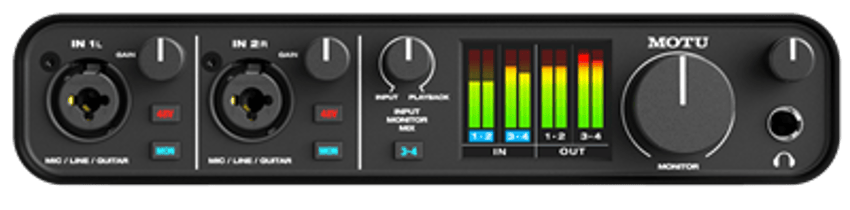
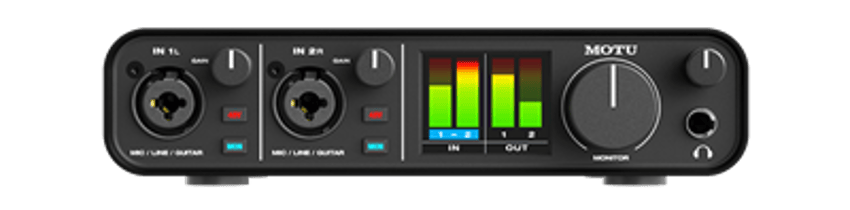
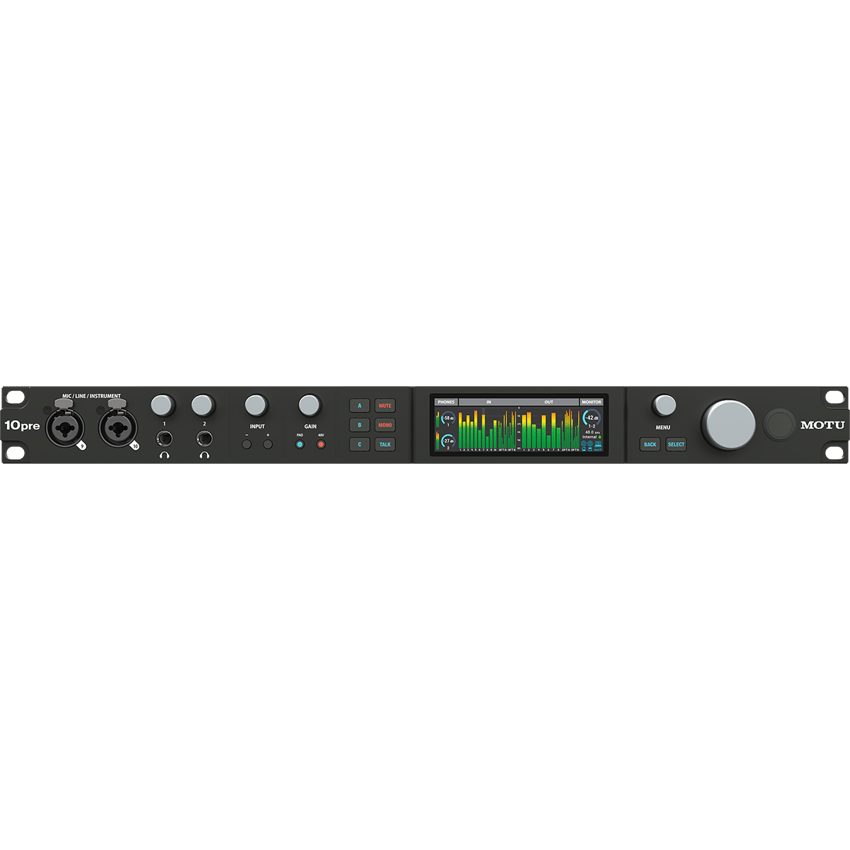
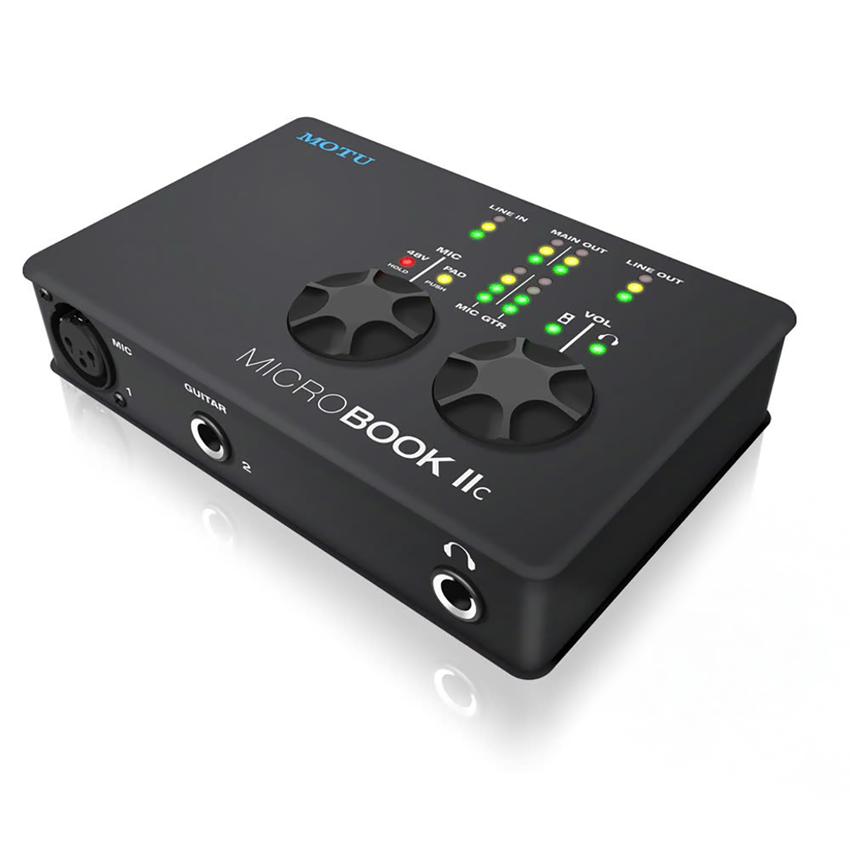
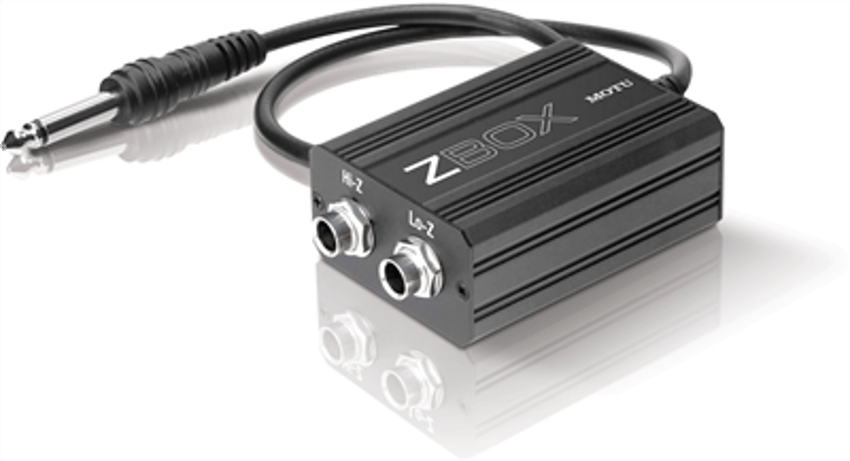
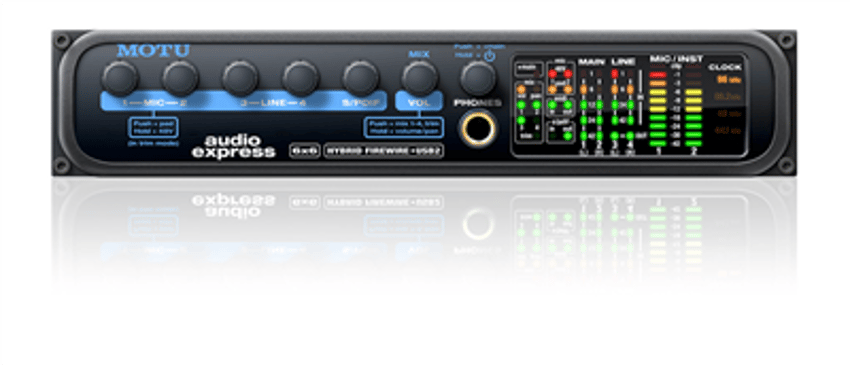
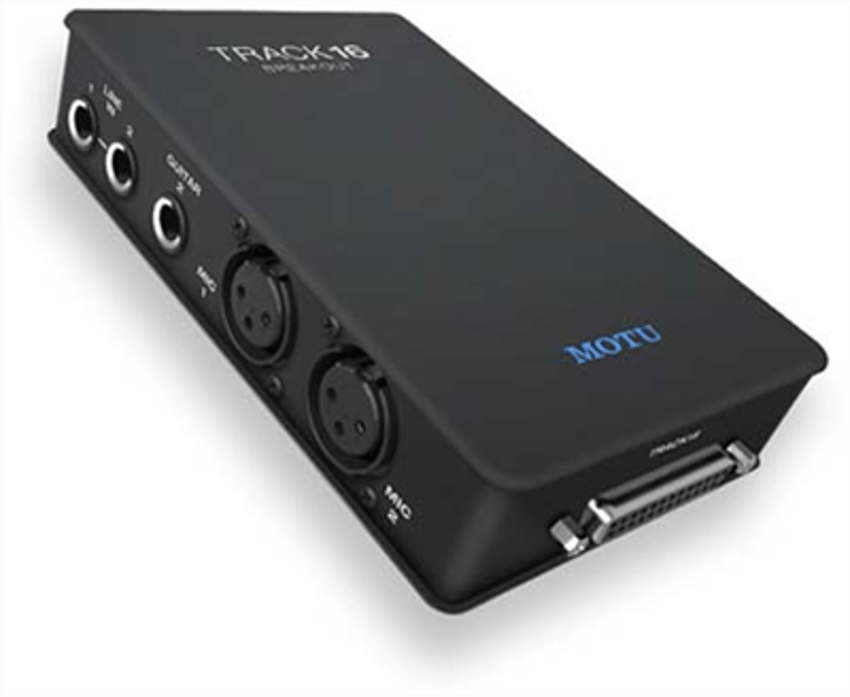
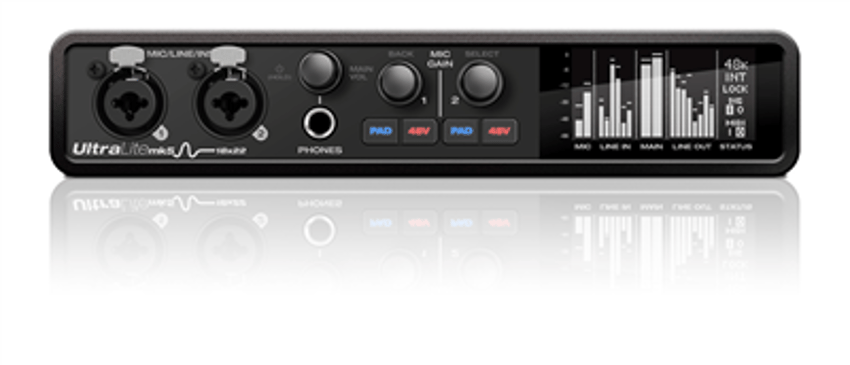
- Motu: American manufacturer of audio interfaces, MIDI interfaces and recording systems for studio and live production workflows.
- Peavey: American pro-audio and instrument amplification manufacturer offering products for performance, recording and sound reinforcement applications.
Building an audio interfaces assortment for retail
Audio interfaces sit naturally beside studio microphones, headphones, monitor speakers, MIDI keyboards and recording software. Compact two-input models support first recording setups, while interfaces with more I/O serve project studios, teaching rooms and small production environments. A balanced assortment should make the step from practice to recording easy to understand. For the broader category structure, connect this range with the parent audio interfaces selection.