
Stage monitors

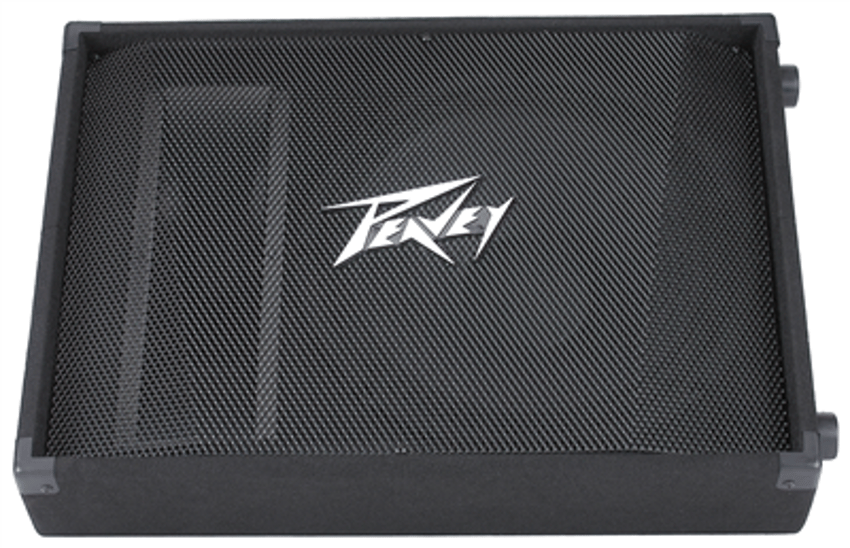
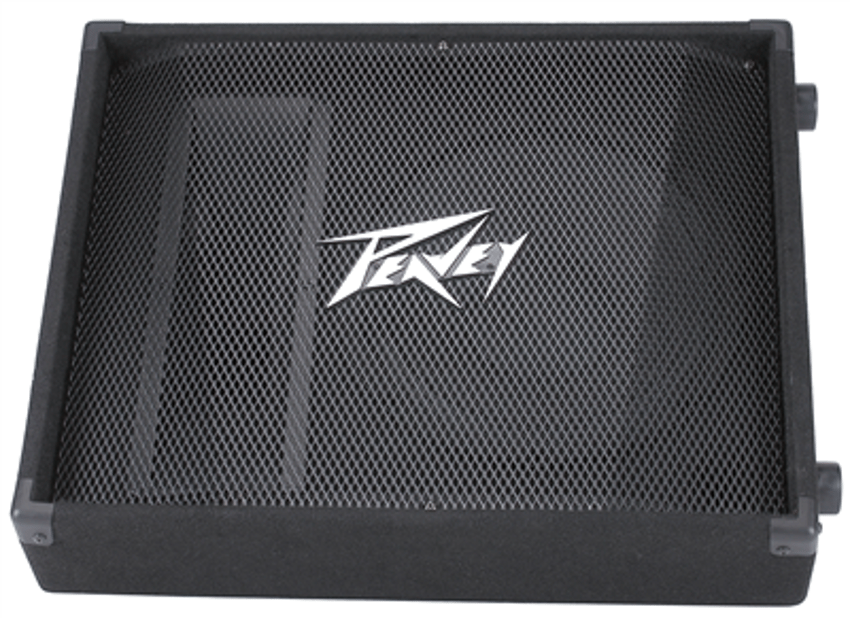
Peavey stage monitors:
Peavey stage monitors serve retailers who supply musicians, rehearsal spaces, small venues and live sound users with dedicated on-stage monitoring. These wedges are used when performers need a separate reference mix at floor level, apart from the main front-of-house loudspeakers. For music retailers, the category connects instrument amplification, PA speakers, mixers and microphone sales in one practical live performance offer.
Stage monitors differ from standard PA cabinets in their physical format and placement. A wedge enclosure sits on the floor and projects sound upward toward the performer, while a front-of-house speaker is normally positioned on a stand or flown to cover the audience area. Passive models depend on an external amplifier, while powered variants integrate amplification and input control in the cabinet. That distinction matters when retailers help buyers match monitors with existing mixers, powered mixers, amplifier racks or compact PA systems.
Floor wedge design for rehearsals, venues and mobile rigs
A useful monitor assortment should cover the practical details that affect stage work. Cabinet angle, grille protection, input format, driver size and handling all influence how a monitor is used in a band room or venue installation. Smaller wedges can suit vocal monitoring and compact setups, while larger two-way floor monitors are often selected where drums, guitars or louder stage levels are part of the application. Retailers should also separate monitor wedges from in-ear monitoring systems in their category structure. Both solve the same basic problem, but they suit different working habits, budgets and technical setups.
The brands in our Peavey stage monitors range
This category is focused on a single brand selection. Peavey is relevant for retailers who want stage monitoring products that sit naturally beside PA speakers, mixers and instrument amplification.
- Peavey: American manufacturer with floor monitor, loudspeaker, mixer and instrument amplification lines for live sound applications.
Building a stage monitor assortment for retail
Stage monitors sell most logically next to PA speakers, powered mixers, speaker stands, dynamic microphones and XLR or speaker cabling. A retailer can serve rehearsal rooms with compact monitor solutions, while venue and rental customers usually need sturdier wedge formats with clear separation between passive and powered options. It also helps to present monitors as part of a complete signal chain rather than as isolated loudspeakers. For the wider monitoring category, connect this range to the parent stage monitors selection.