
Preamps

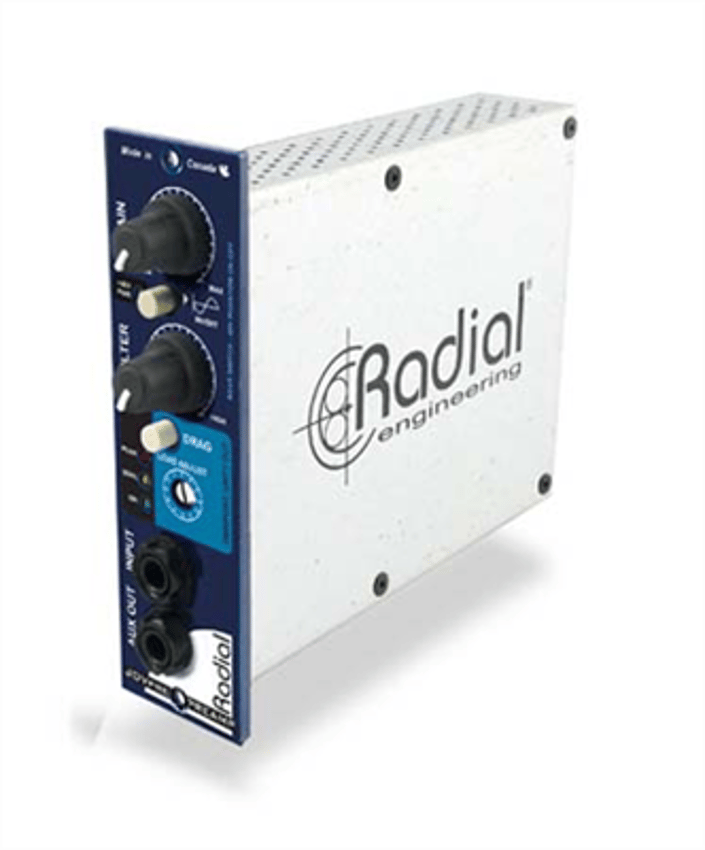
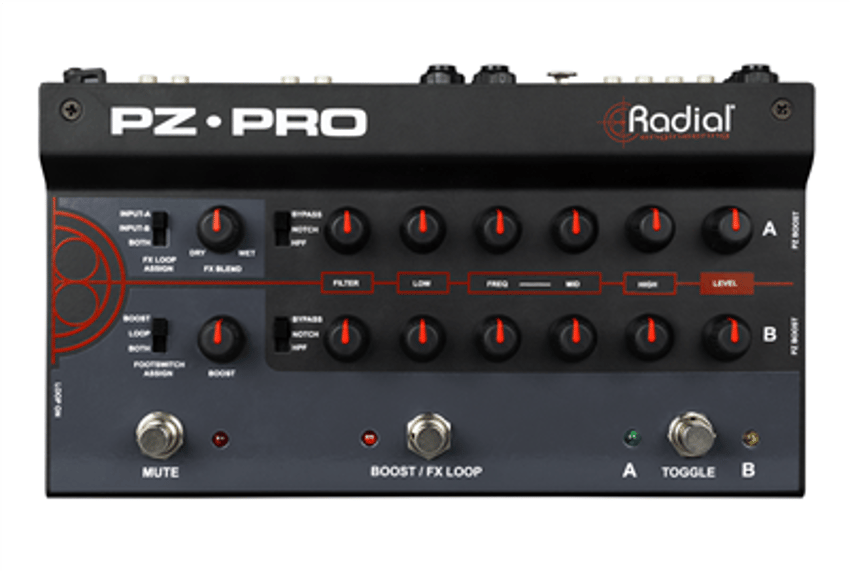
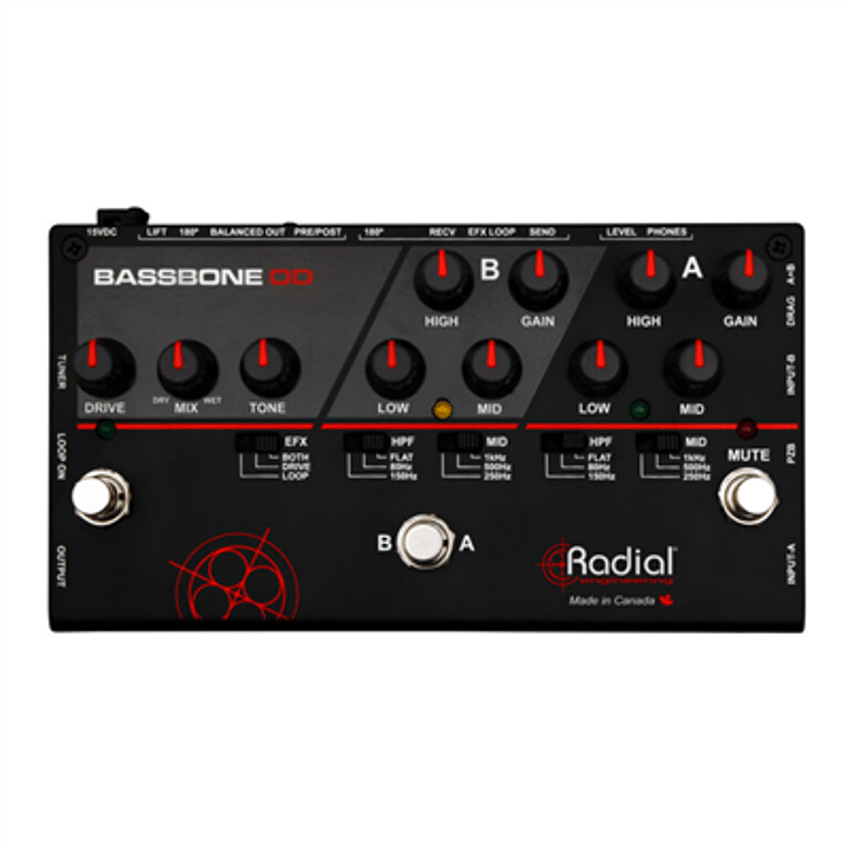
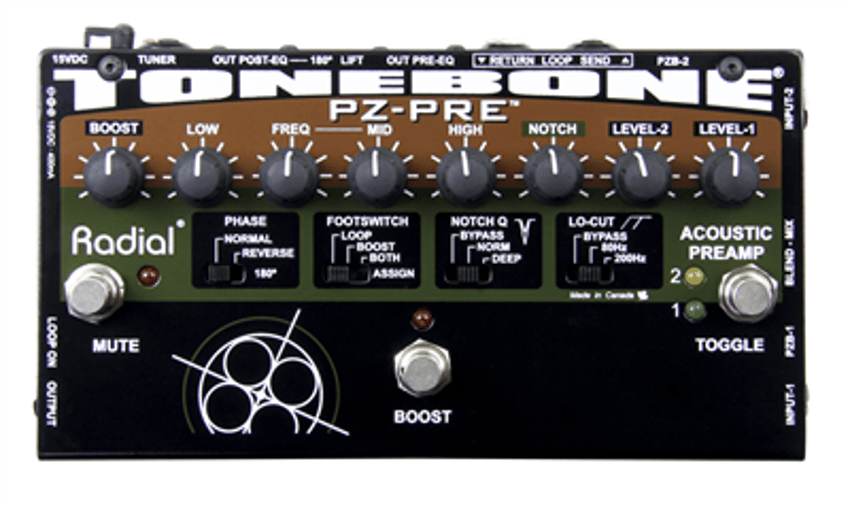
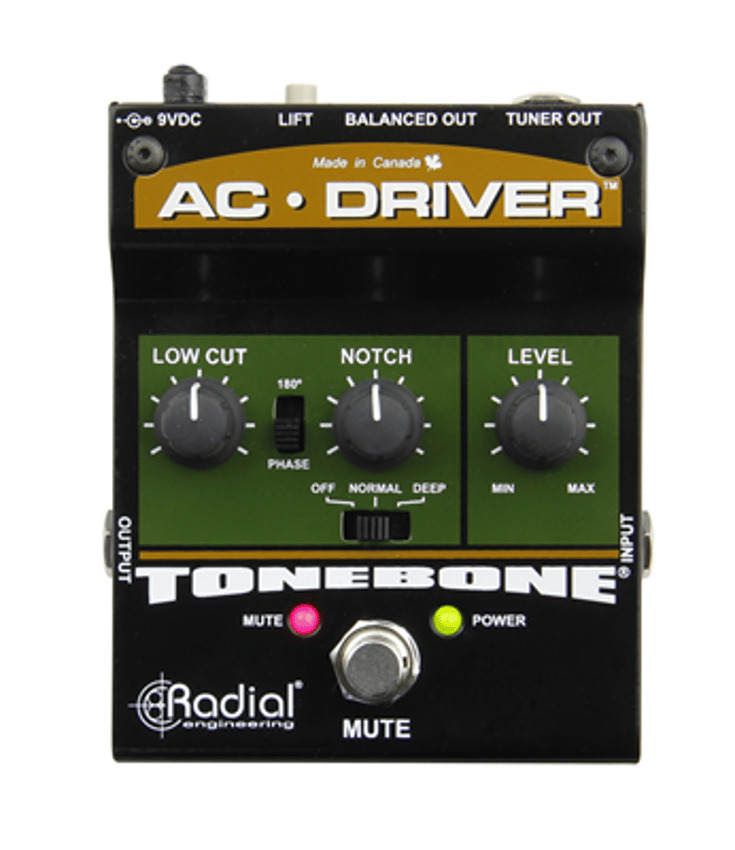
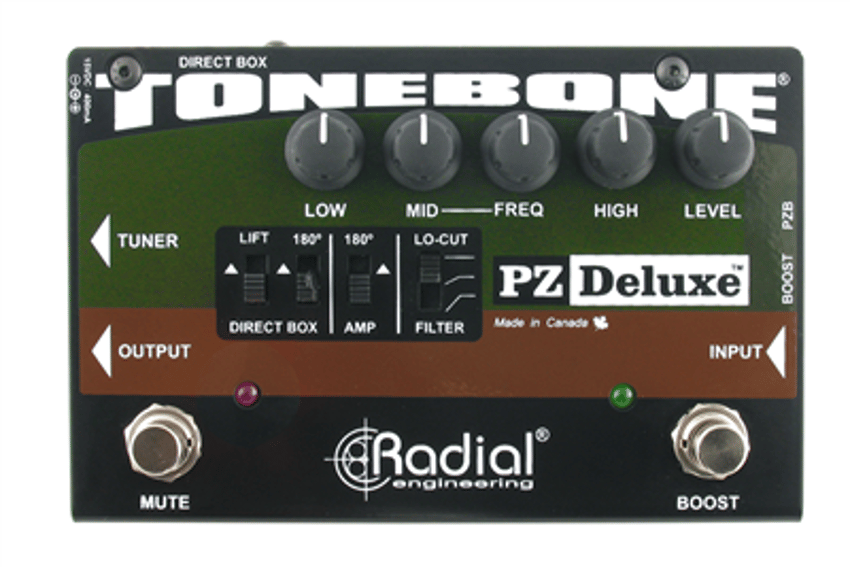
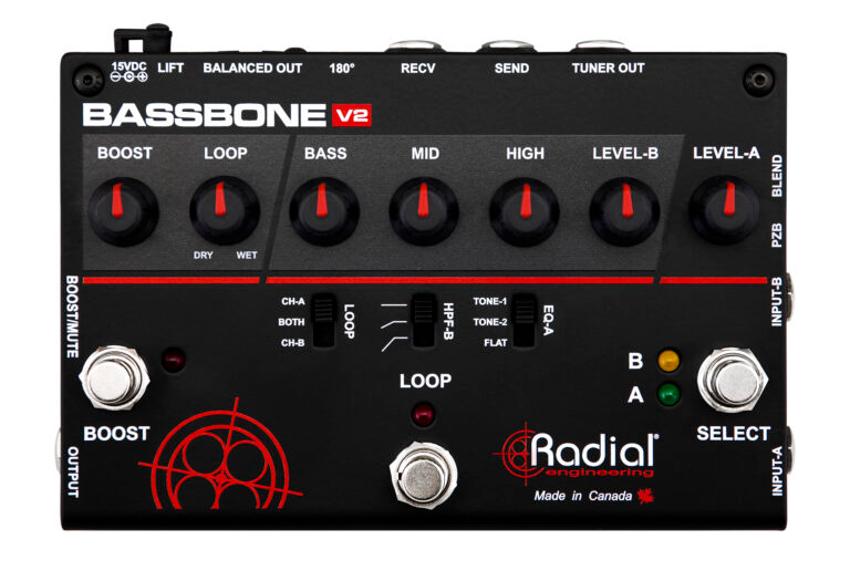
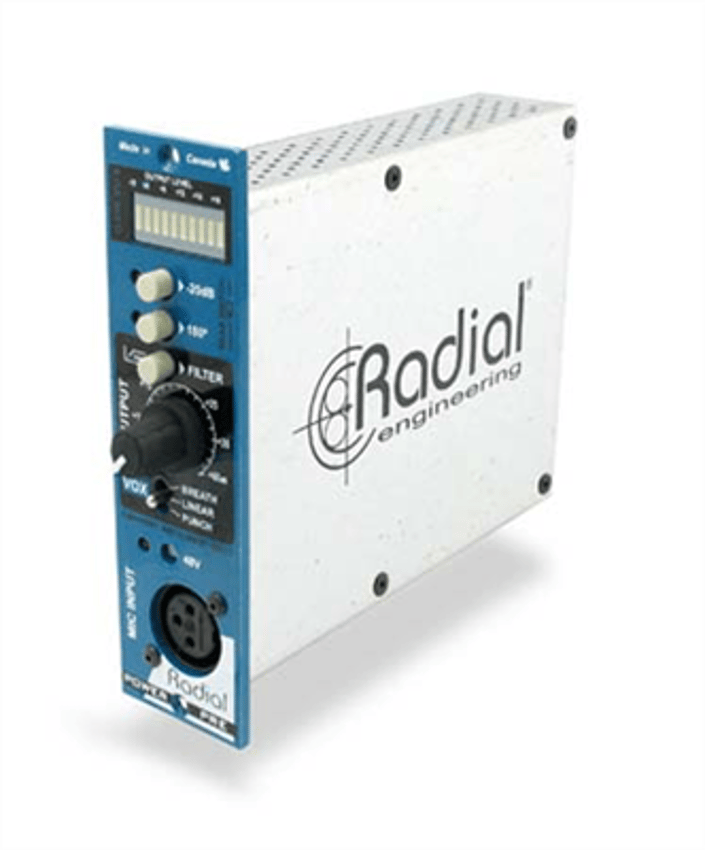
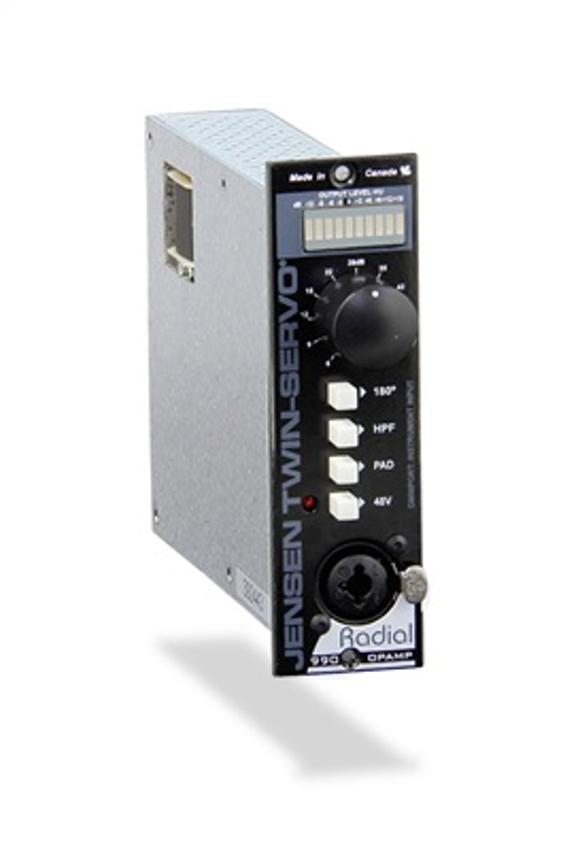
Preamps: controlled signal gain
Preamps sit early in the audio chain, where microphone, instrument or line-level sources are brought to a workable operating level before routing, processing or conversion. For AV integrators, installers and system designers, this stage matters because gain structure affects noise floor, headroom and the way downstream equipment responds in a rack, stage box or technical room.
Unlike mixers or matrix processors, these units focus on the first electrical treatment of the source. A preamp may provide impedance matching, phantom power, balanced output conversion or transformer isolation, depending on the model. That makes the category relevant in project specifications where the source is fixed, the signal path must remain predictable, and the control surface does not need to be visible to the end user.
Where gain staging becomes part of the system design
In installed audio, a clean front end can prevent problems that are harder to solve later. Low-output microphones, passive instruments, lectern connections and broadcast feeds all place different demands on input sensitivity. Some applications require a transparent gain stage before DSP. Others need galvanic isolation to reduce hum between equipment on different power circuits. Compact formats are useful in furniture integration, floor boxes and portable AV kits, while rack-mounted designs suit venues, studios and production spaces with centralised technical infrastructure.
The brands in our preamps range
The selection focuses on signal interfaces that solve practical level, impedance and isolation problems in professional systems.
- Radial: Offers microphone, instrument and line-level front-end devices with transformer-based designs for stage, studio and installation use.
Specifying preamps for AV projects
When specifying these devices, match the input type, output format and mounting method to the rest of the signal chain. They are often combined with microphones, DI boxes, audio interfaces, DSP hardware and distribution systems. Pay attention to phantom power requirements, balanced connectivity and available headroom before committing to a rack layout or wall plate design. For the broader processing layer in installed sound systems, explore our audio processors range.