
Reamping


Reamping: controlled signal conversion for studio and production workflows
Reamping is used in recording, mix revision and audio production environments where a previously captured guitar or bass track needs to be sent back through amplifiers, pedals or other instrument-level equipment. It serves engineers who want to separate performance capture from tone decisions, without asking the musician to replay the part each time a different amplifier setting or pedal chain is tested.
The technical requirement is different from a standard DI box. A recorded line-level signal from an interface output has to be converted to the correct impedance and level for an amplifier input. Good reamp interfaces also address grounding and level matching, because hum, loss of high-frequency detail and overload at the amp input can quickly make the process unreliable. In project studios, broadcast rooms and production facilities, that controlled physical handoff is the reason these units remain useful beside plug-ins and amp modelling systems.
Signal routing between interfaces, pedals and amplifiers
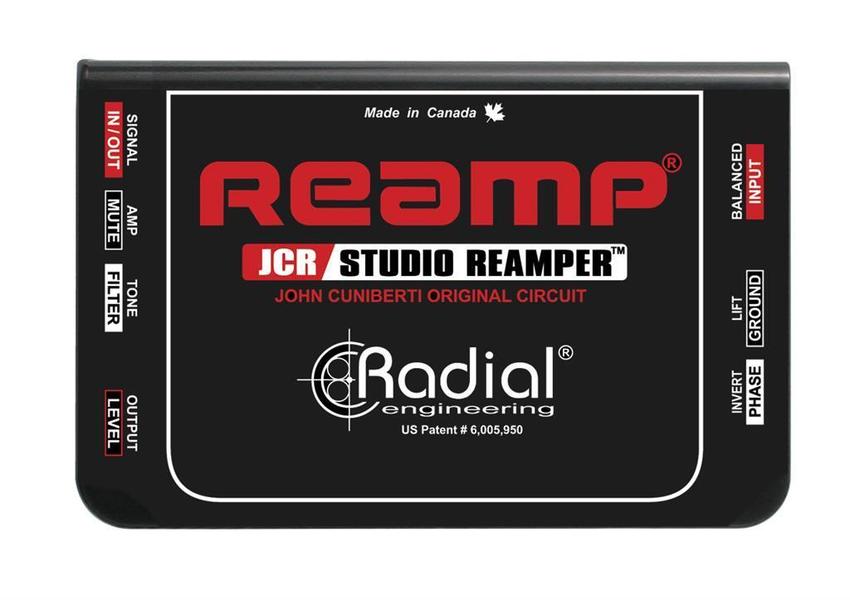
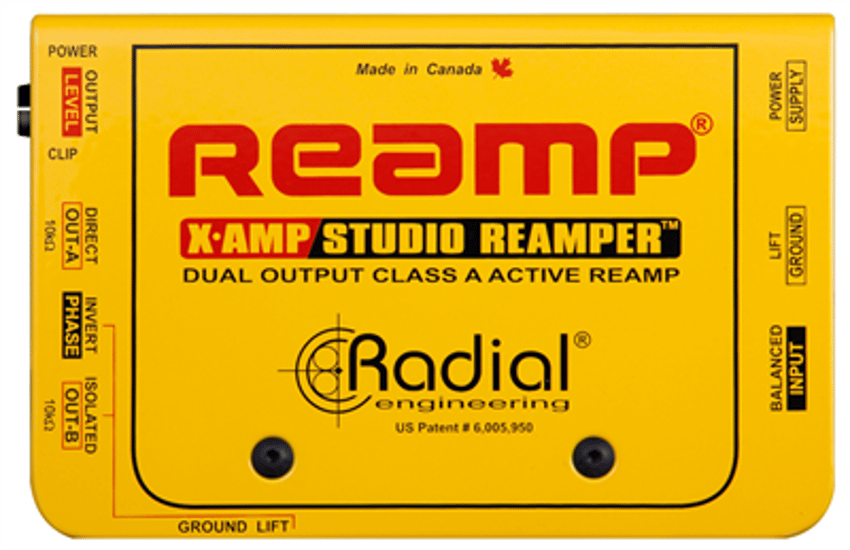
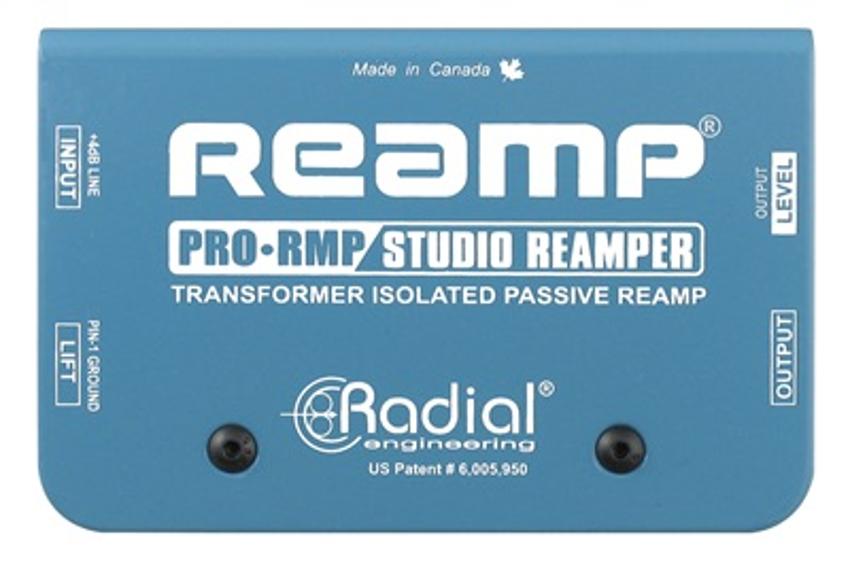
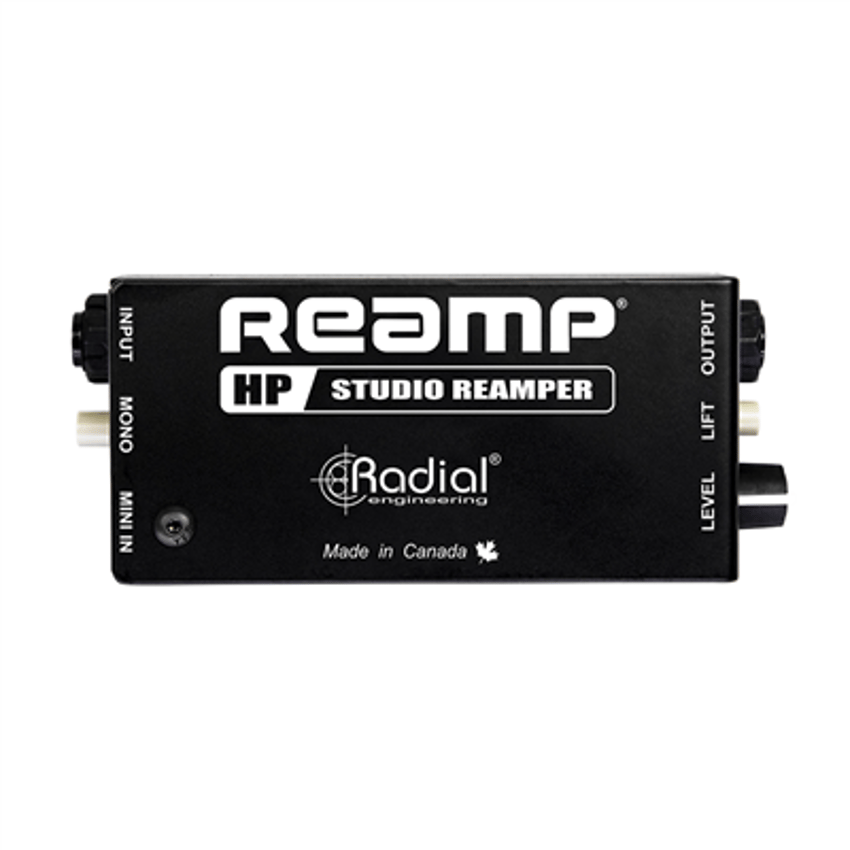
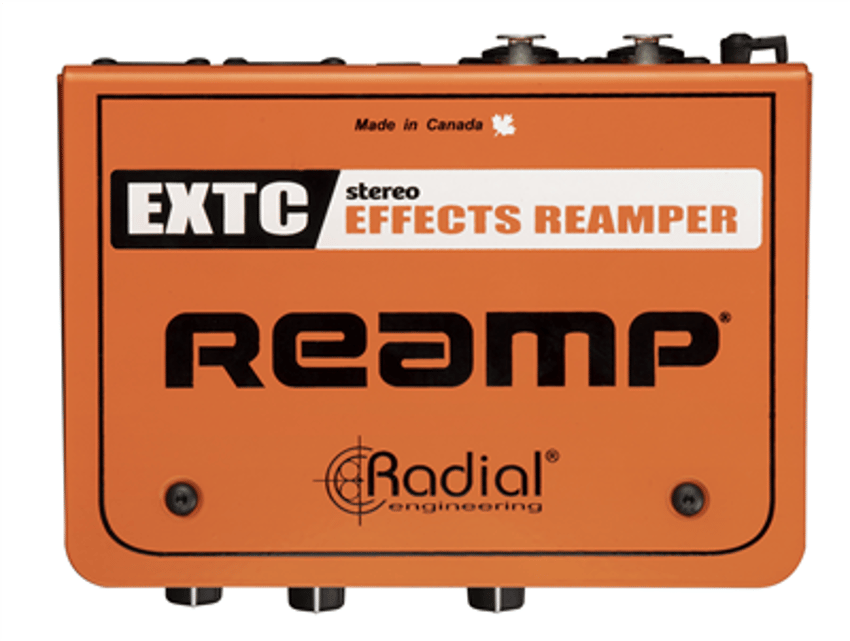
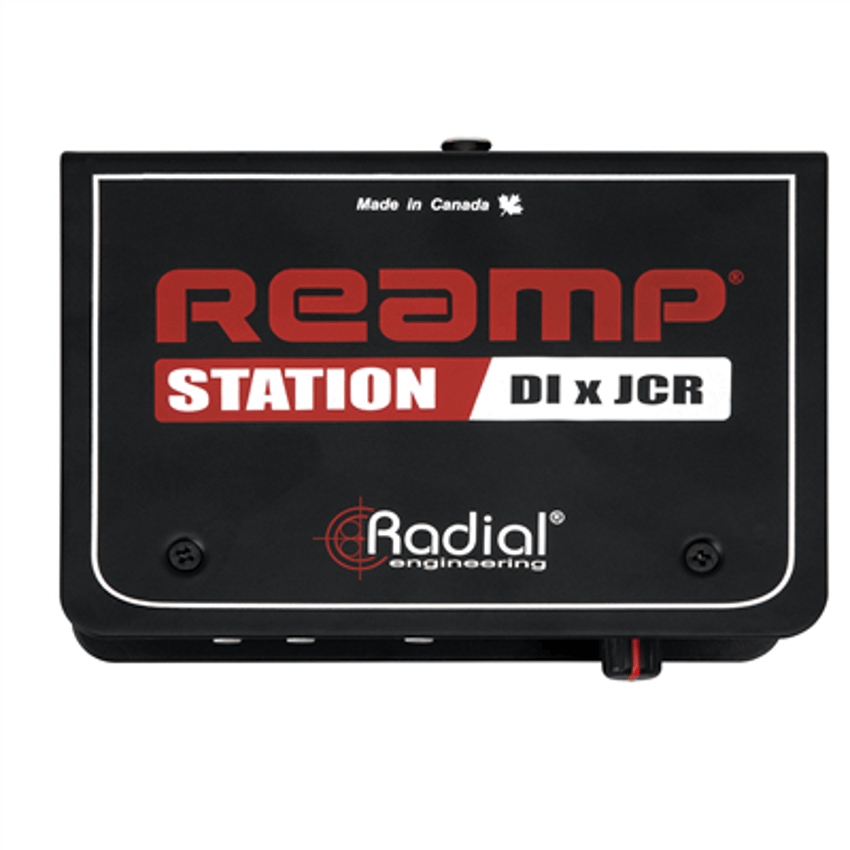
A typical setup starts with a clean DI recording made during tracking. During mix work, that signal is routed from the DAW through an output on the audio interface into the reamp unit, then onward to pedals, an amplifier or a cabinet chain. Engineers can then adjust microphone position, gain staging and analogue processing after the performance has already been approved. Units such as the PRO RMP and Reamp JCR are specified for this task, with practical controls for output level and connection management in studio racks or mobile recording rigs.
The brands in our reamping range
This selection focuses on dedicated hardware for sending recorded tracks back into instrument inputs with predictable level behaviour.
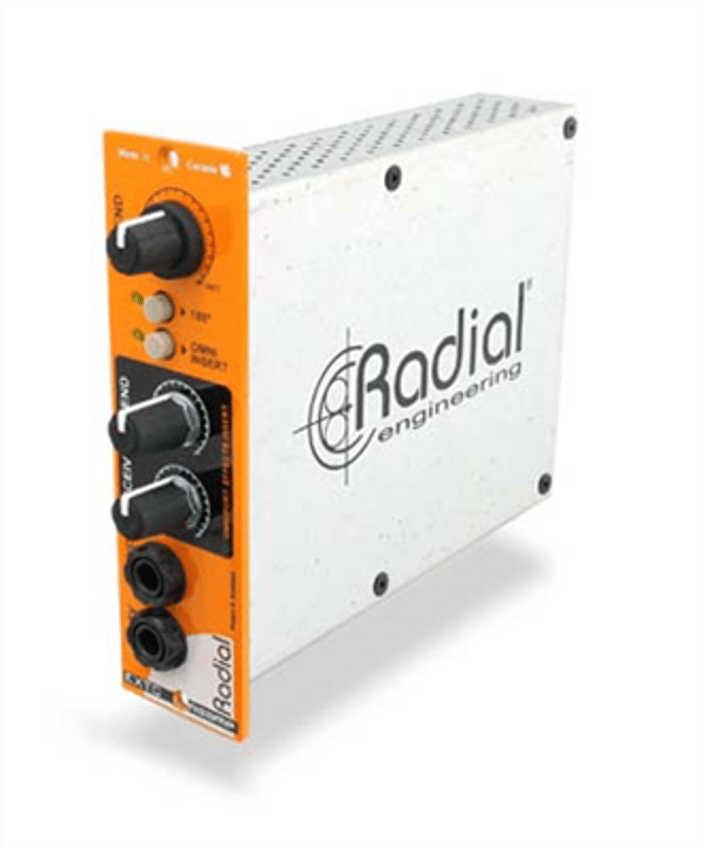
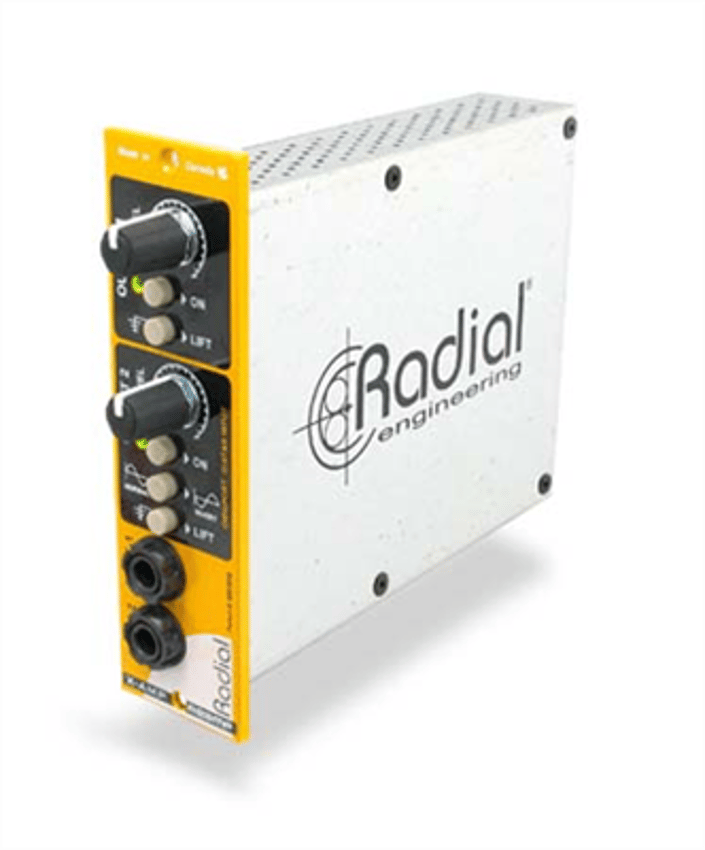
- Radial: Reamp interfaces such as the PRO RMP and Reamp JCR are built for converting balanced line outputs to instrument-level amplifier inputs.
Specifying reamping for AV projects
For studio builds and production rooms, these interfaces should be planned together with audio interfaces, patchbays, DI boxes, microphone preamps and monitoring paths. Clear routing matters, especially when the same room is used for tracking, editing and mix recall. For the broader processing layer around these workflows, explore our audio processors portfolio.