
DI boxes


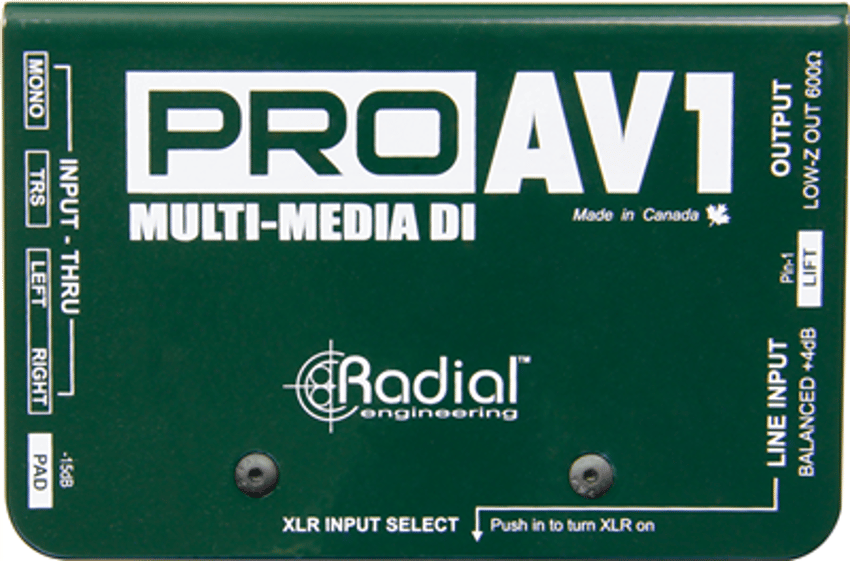
DI boxes: balanced signal conversion
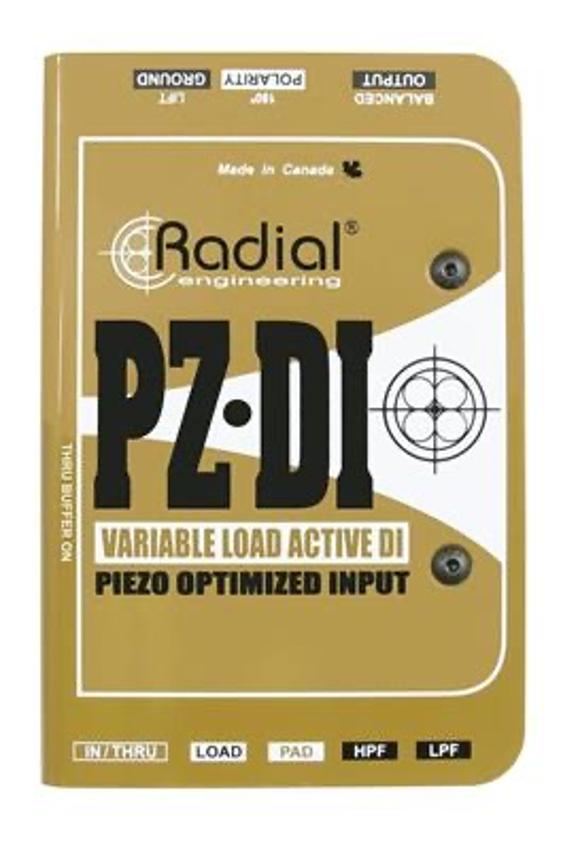
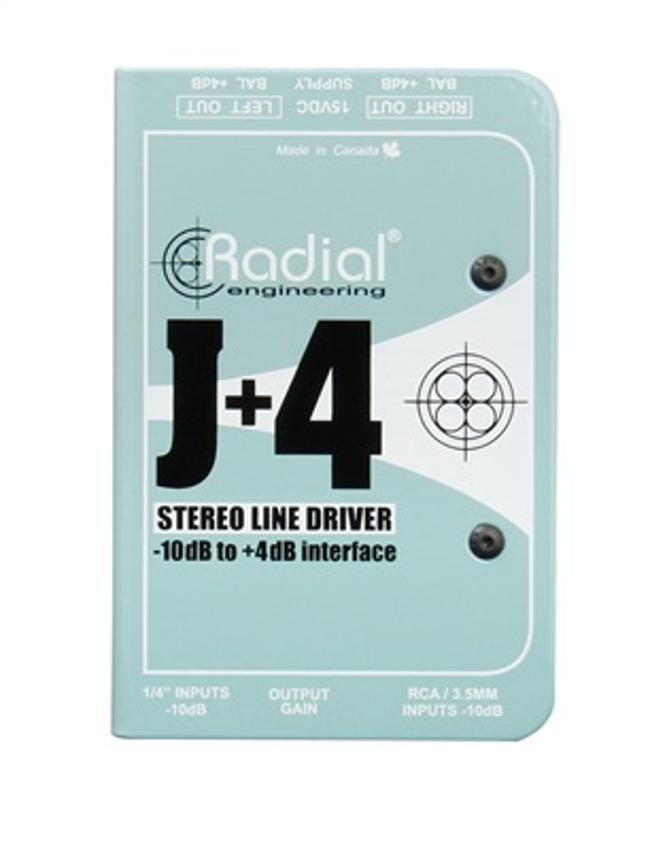
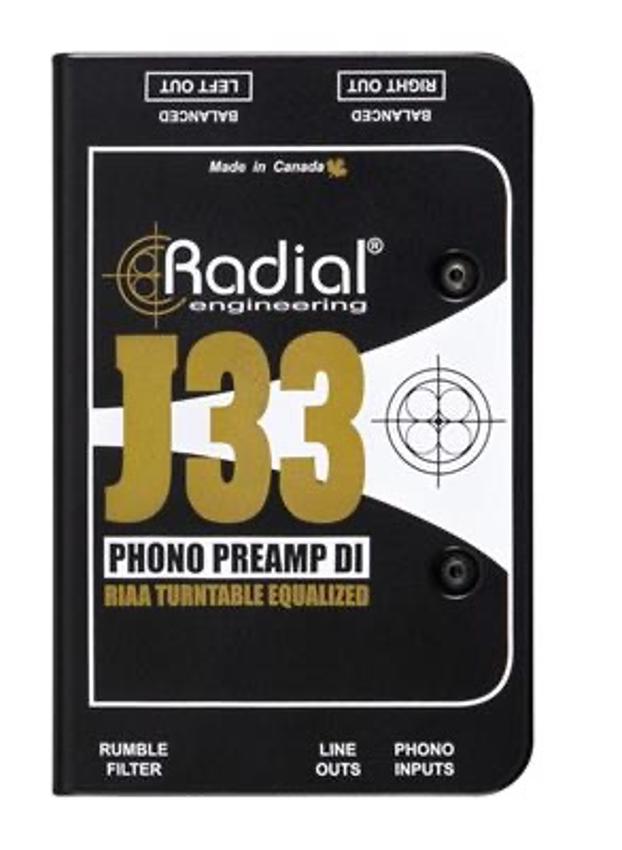
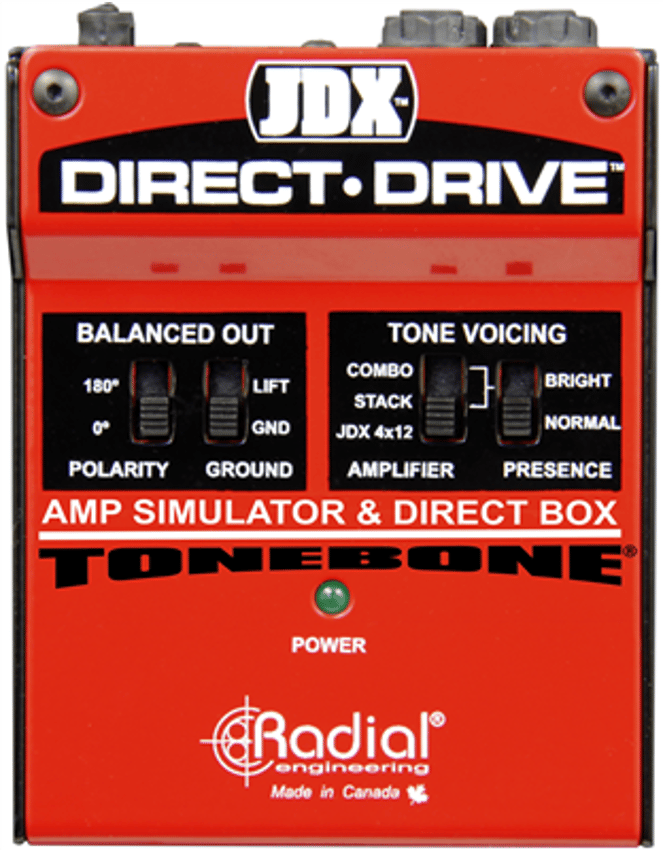
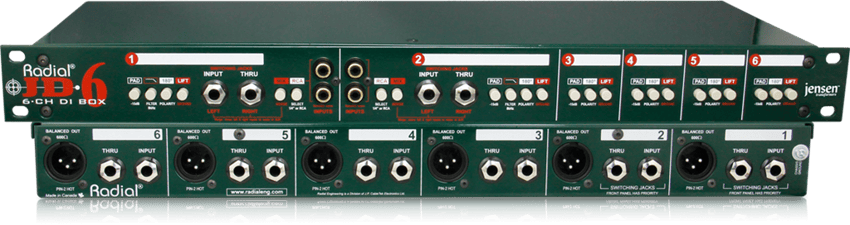
DI boxes provide the interface between unbalanced source equipment and balanced microphone-level infrastructure. In AV projects, they are used when instruments, laptops, DJ mixers, playback devices or line-level outputs need to feed a mixing console, stage box, audio matrix or DSP input over longer cable runs. The function is simple, but the choice matters. Input impedance, transformer behaviour, pad options and grounding can determine whether a source arrives cleanly at the rest of the system.
This category is different from standard adapters or connection panels because a DI box changes the electrical relationship between source and destination. Passive models rely on transformer isolation and are often selected for robust line-level signals or instrument outputs that do not need additional headroom. Active models use powered circuitry, making them suitable for lower-output pickups and sources that benefit from a higher input impedance. Ground lift switches, polarity options and attenuation pads help solve practical issues on stage, in racks and across hybrid presentation spaces.
Choosing the right interface for the source
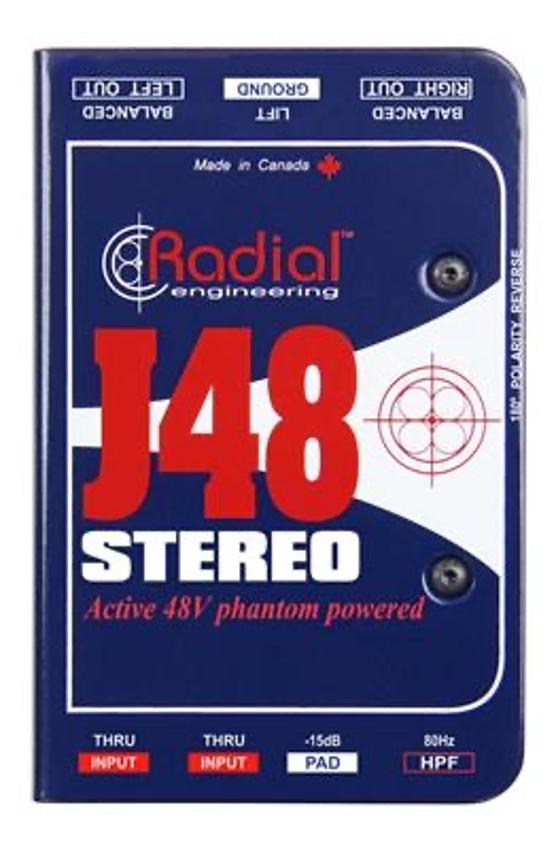
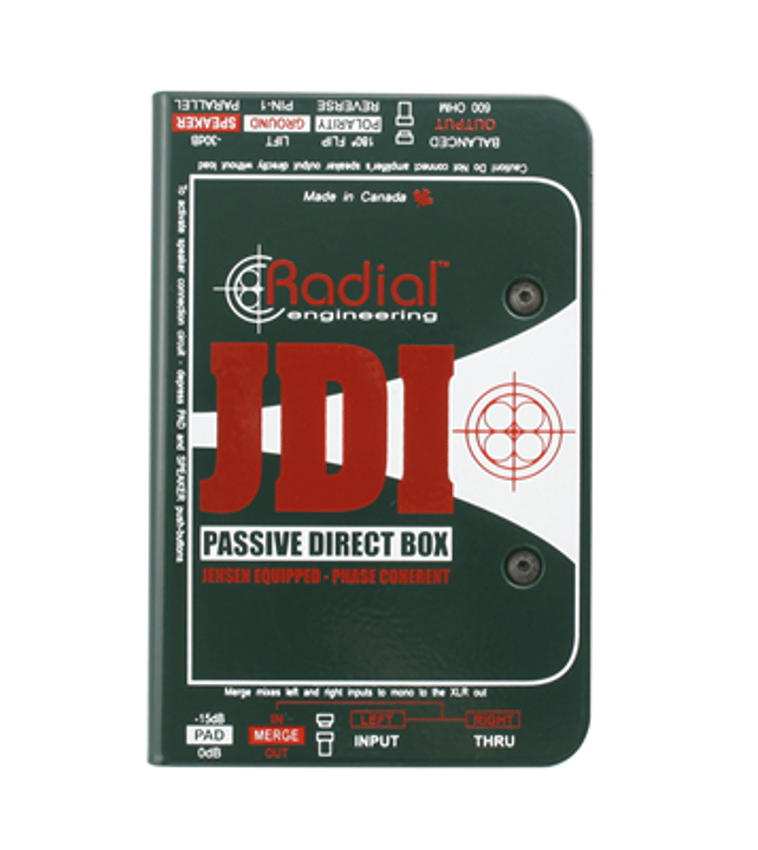
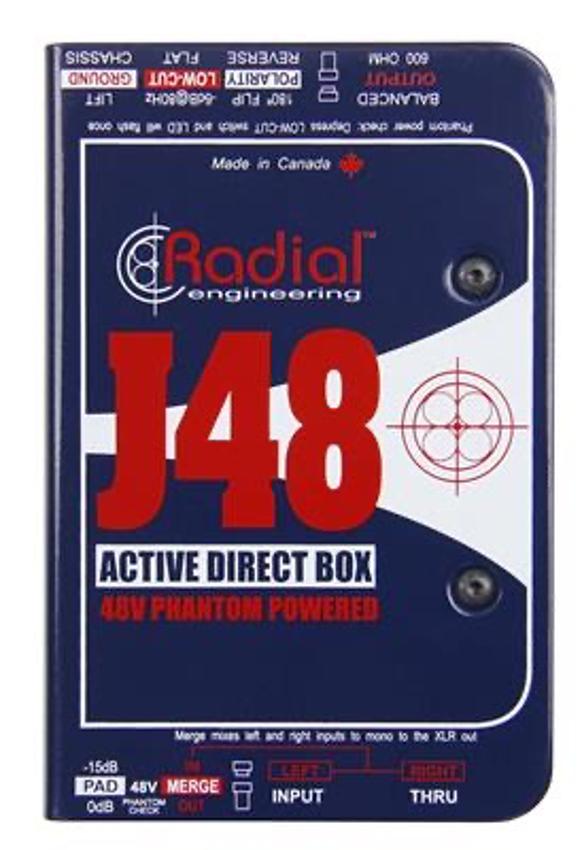
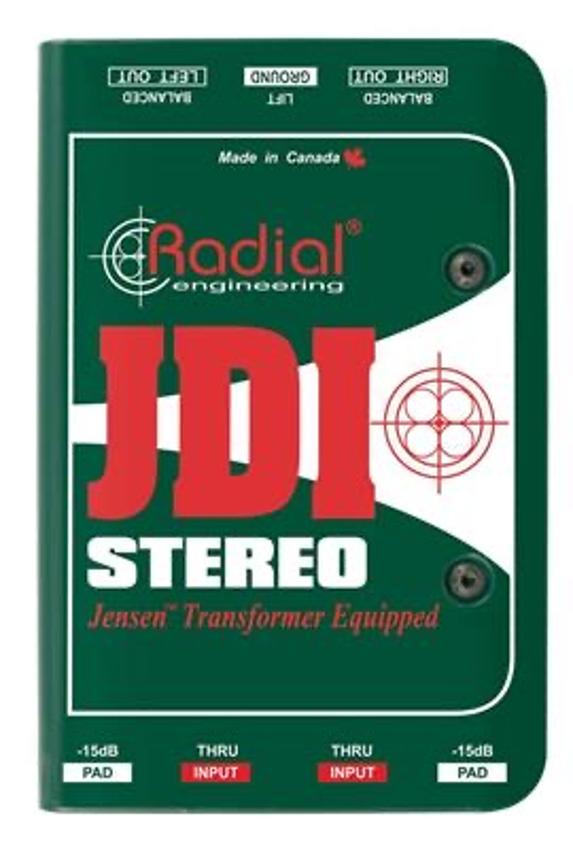
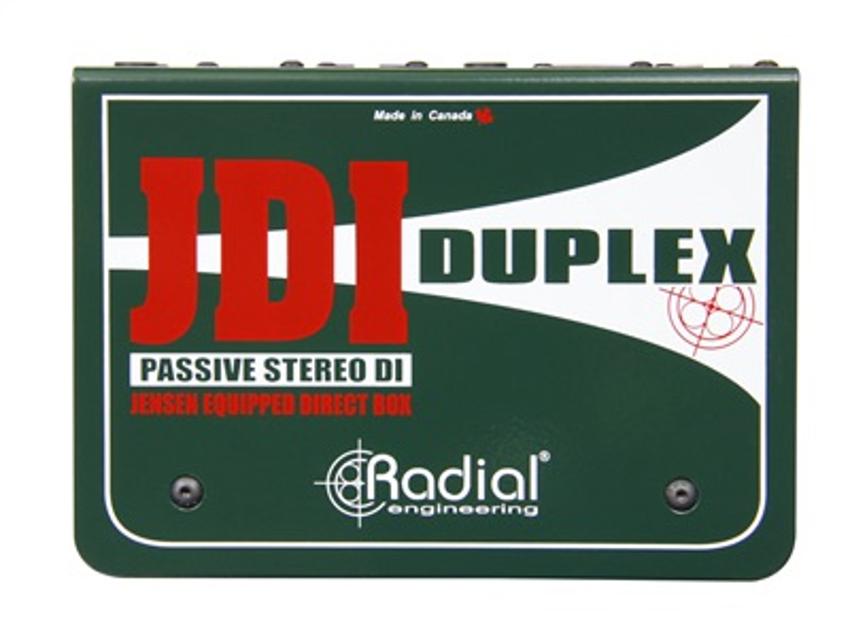
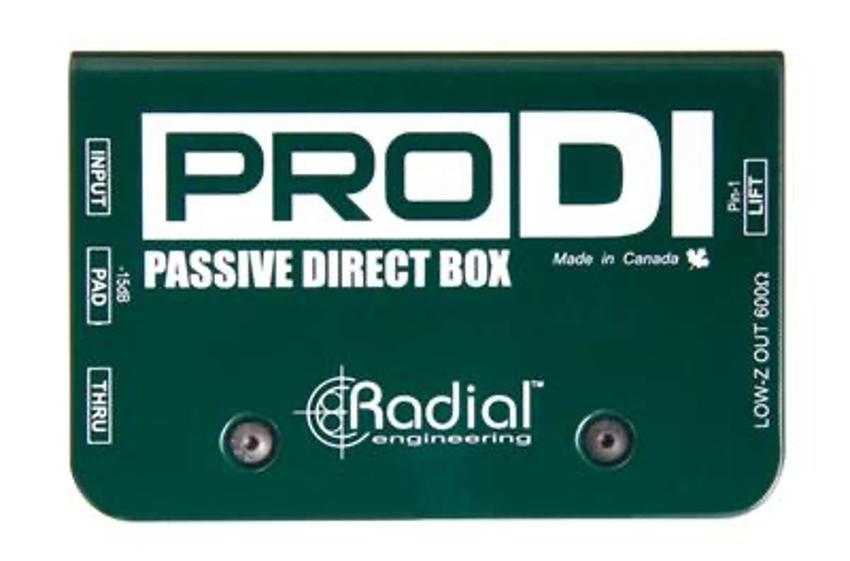
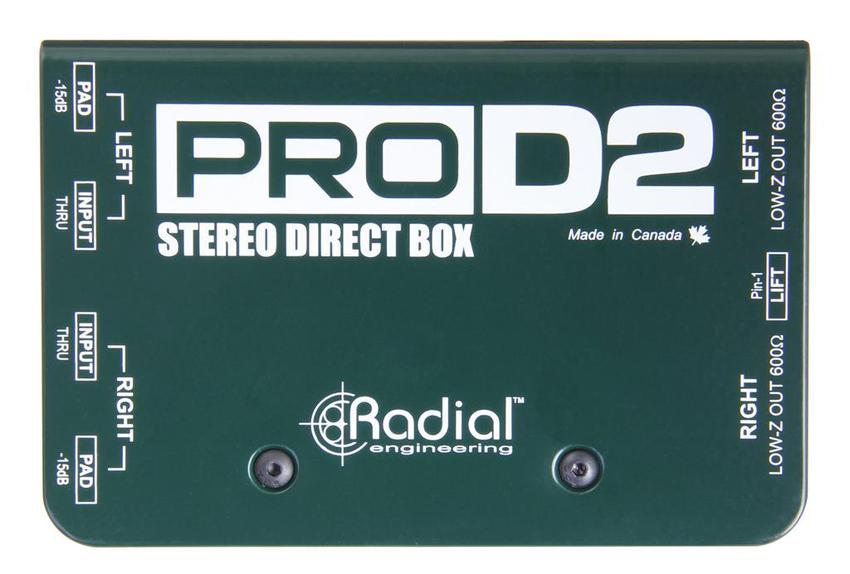
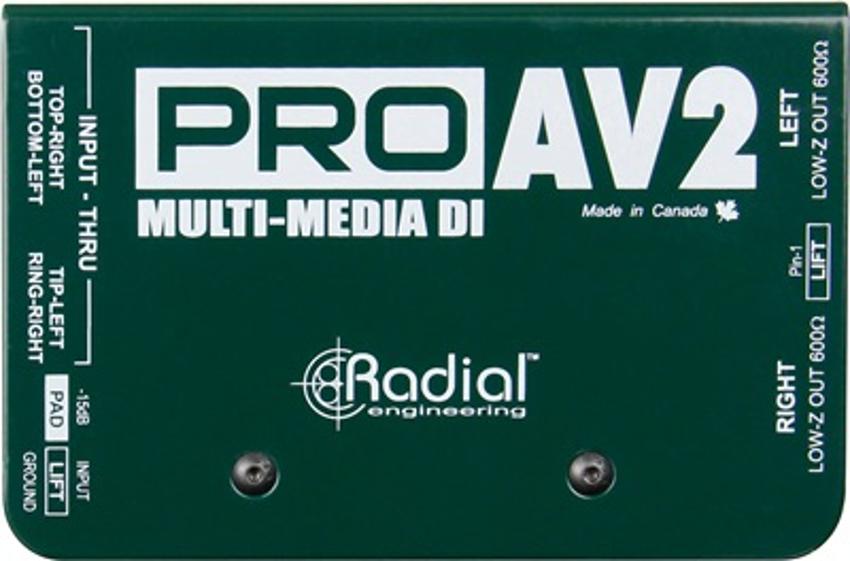
System designers usually specify these units around the expected signal path. A single-channel instrument input, such as a guitar or keyboard feed, calls for a different format than a stereo media player or laptop output. A JDI or ProDI is commonly considered where transformer isolation and passive operation are preferred. A J48 fits active applications where phantom power is available and the source needs a high-impedance input. For AV feeds, the ProAV2 format is relevant because stereo consumer and professional connectors often need to be summed, balanced or routed into microphone infrastructure without creating hum loops.
The brands in our DI boxes range
The selection focuses on units that solve source-matching and isolation problems in repeatable system designs.
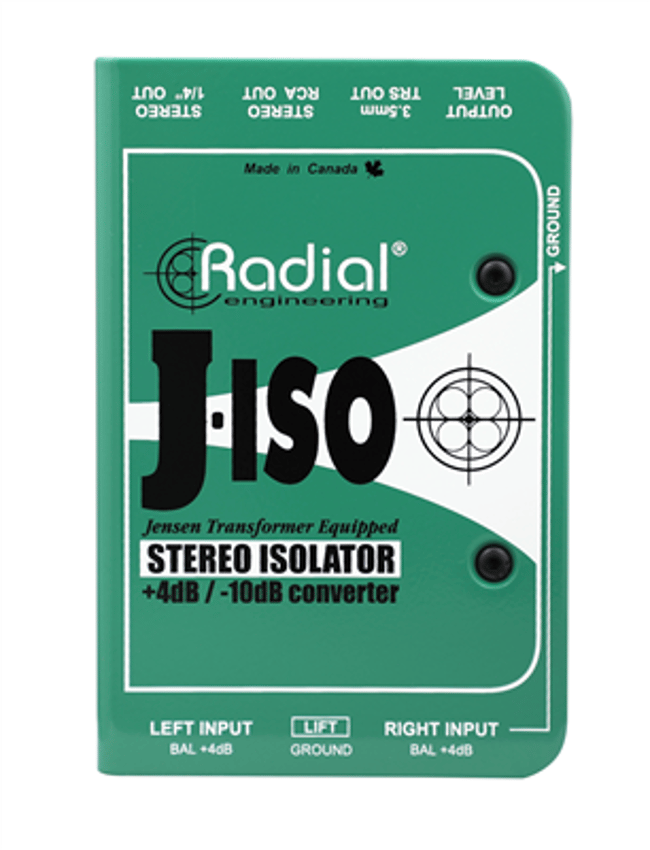
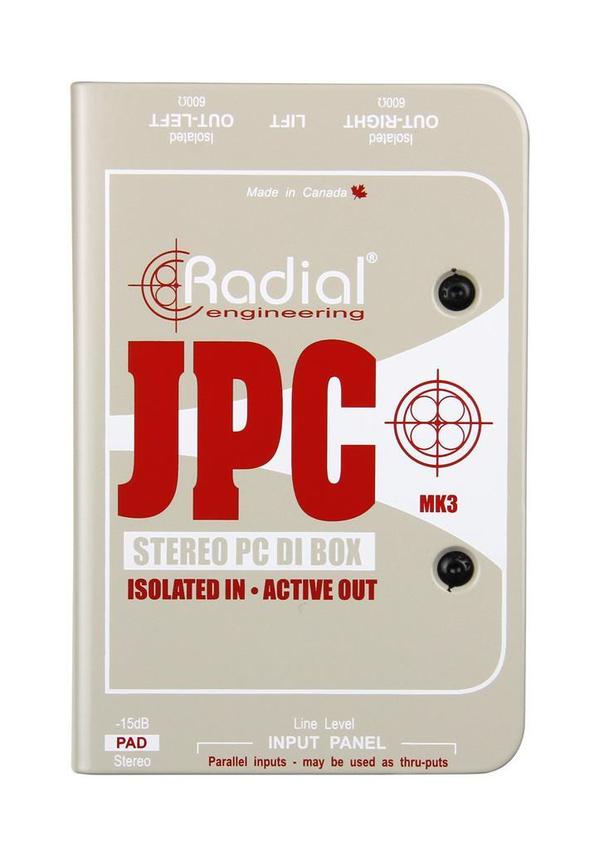
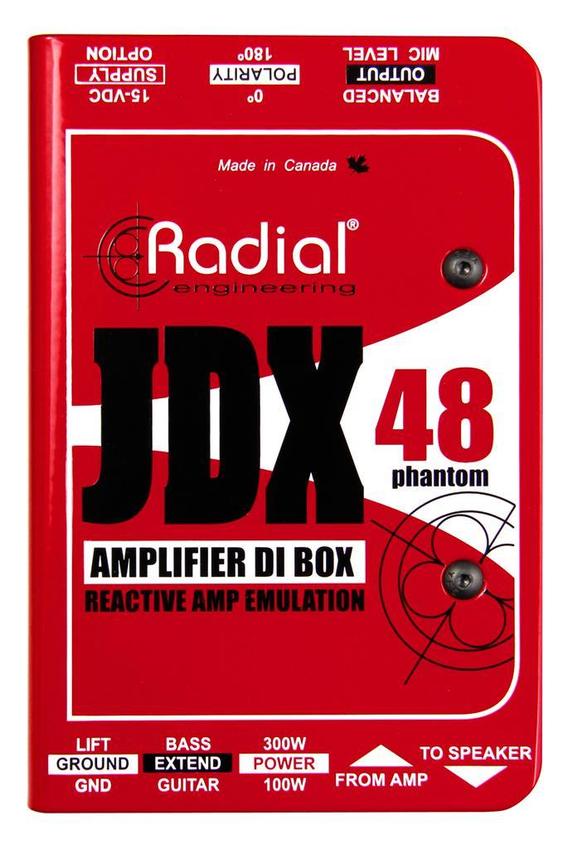
- Radial: Passive and active direct boxes such as the JDI, J48, ProDI and ProAV2 cover instrument feeds, stereo AV sources and transformer-isolated signal paths.
Specifying DI boxes for AV projects
Direct interfaces are normally combined with balanced cabling, stage boxes, wall plates, patch panels and DSP or console inputs. They should be planned together with the expected source list, connector format and grounding strategy, especially in venues where visiting equipment changes from event to event. For the broader connection layer around these products, explore our DI boxes category within the professional signal connectivity portfolio.