
Microphone stands


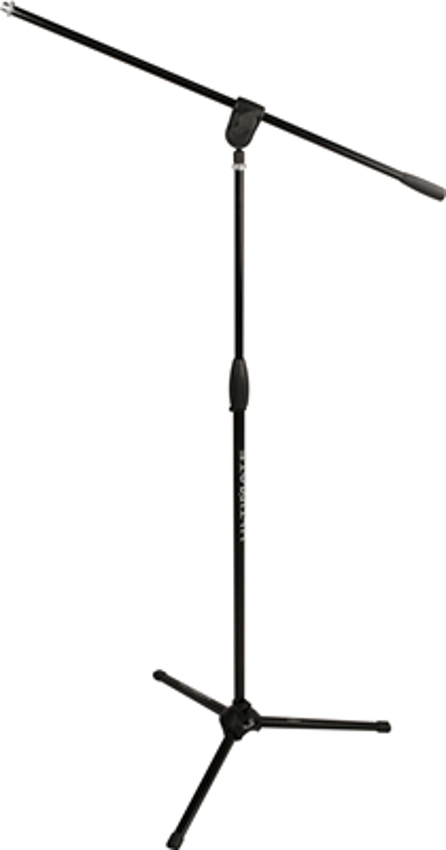


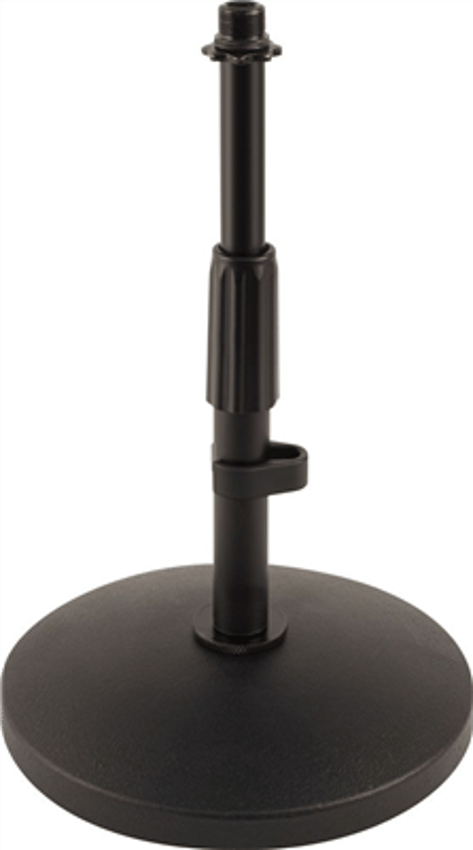


Microphone stands:
Microphone stands are part of the physical layer in professional audio systems. They keep capsules, goosenecks and wired microphones in a fixed working position for speech, performance, presentation and production use. For AV integrators and system designers, the choice is not only about height range. Base footprint, boom geometry, clamp behaviour and cable routing all affect how the stand behaves in a finished environment.
Compared with speaker stands or lighting supports, this category works closer to the source. A small movement at the clip can change gain before feedback, intelligibility and handling noise. Straight models suit lecterns, rehearsal rooms and broadcast desks, while tripod and boom versions give more placement freedom around instruments, panels or stage furniture. In fixed venues, low-profile bases reduce trip points. In temporary systems, folding hardware and repeatable adjustment matter more.
Placement hardware for speech, instruments and stage layouts
A well-specified stand should match the microphone, the user and the room. Heavy dynamic microphones need secure threading and a boom arm that does not drift when extended. Boundary-style presentation spaces may call for compact table solutions, while live rooms often require tall overhead placement for choir, drum or ambient pickup. Thread adapters, clip compatibility and transport length should be checked before the rest of the signal chain is signed off.
The brands in our microphone stands range
The selection covers practical support hardware for project racks, venues, studios and mobile AV kits.
- Jamstands: Tripod, boom and desktop models aimed at portable stage setups and everyday audio deployment.
- Ultimate Support: Support hardware with folding designs and adjustment mechanisms suited to repeated setup in live and production environments.
Specifying microphone stands for AV projects
Combine these products with wired microphones, clips, XLR cabling, stage boxes and small-format mixers during project planning. In meeting rooms, houses of worship and performance spaces, physical placement should be considered before DSP tuning, because stand height and capsule angle influence pickup long before the signal reaches the processor. For the broader support hardware overview, explore our microphone stands portfolio.