
Tracking systems

Tracking systems:
Tracking systems are used in professional lighting where fixtures must follow a performer, presenter, camera position or moving object on stage. For integrators and system designers, this category supports applications where manual followspot operation, fixed lighting cues or basic sensor triggering do not give enough positional accuracy. The result is a workflow where movement data becomes part of the control system.
Unlike conventional lighting control, a tracking setup depends on continuous location information. Tags, anchors, receivers and processing units work together to calculate position and translate it into control data for moving lights, or creating immersive experiences. The technical focus is therefore not only on the tracker itself, but also on system layout, calibration, latency, network topology and how the data is routed into the wider production infrastructure.
From stage movement to lighting control data
A well-specified tracking system starts with the geometry of the space. Ceiling height, truss positions, line of sight, reflective surfaces and performer movement all affect placement and commissioning. In theatre, broadcast studios, houses of worship and multipurpose venues, the system must remain predictable during rehearsals, live operation and scene changes. Integration often involves DMX, Art-Net, sACN or dedicated control interfaces, depending on the lighting desk and fixture package. That makes documentation and commissioning discipline as important as the hardware choice.
The brands in our tracking systems range
Our selection focuses on positional automation for professional lighting control:
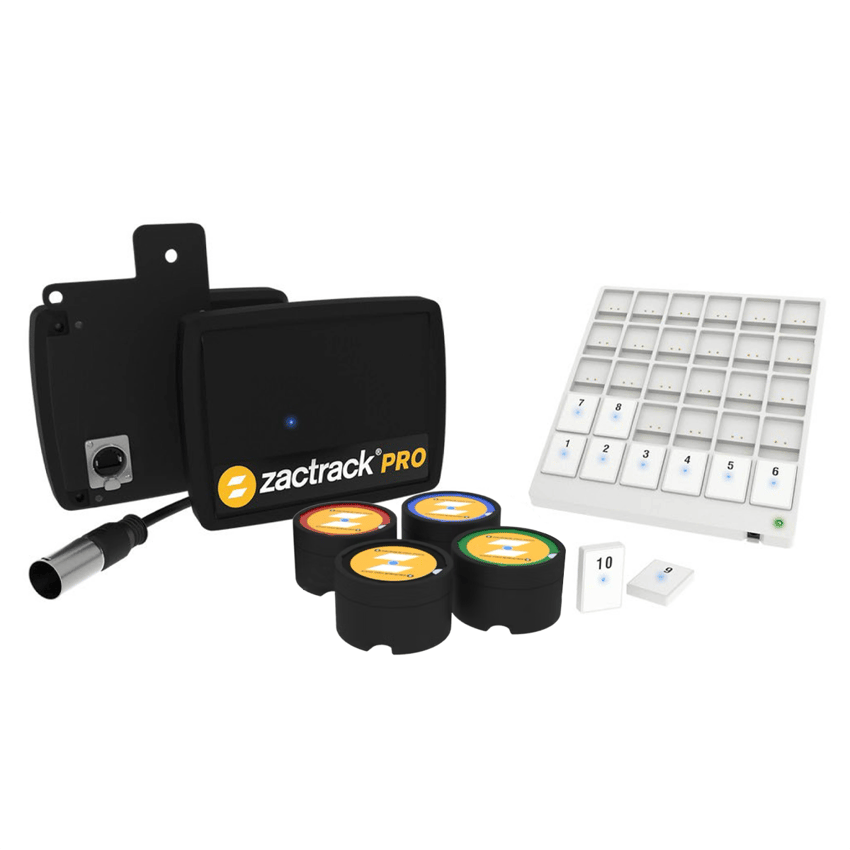
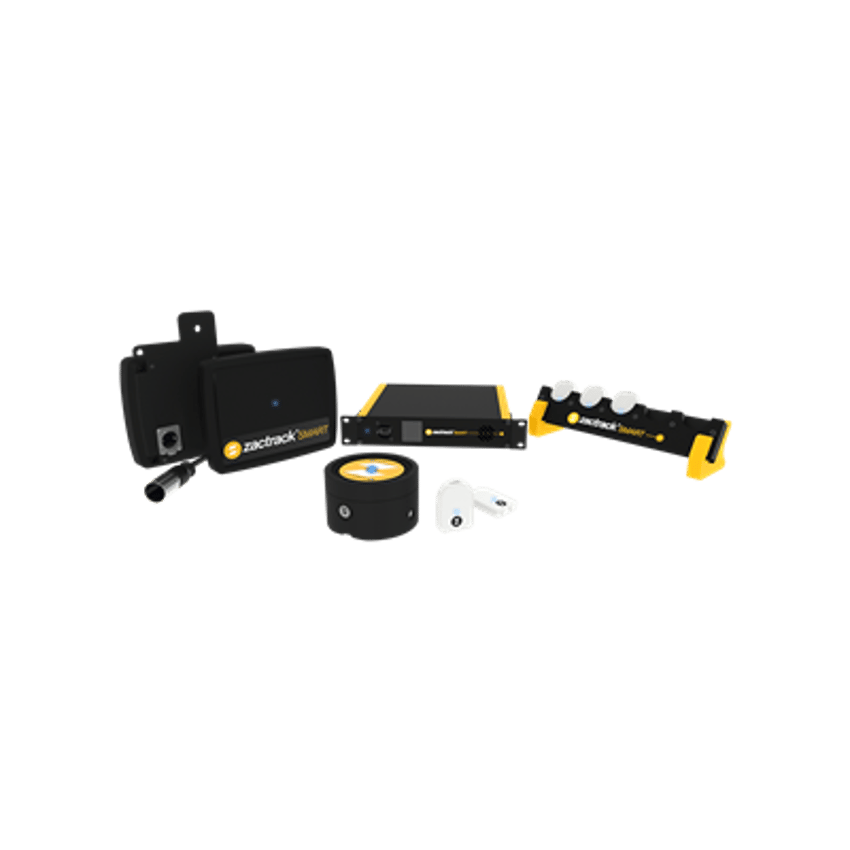
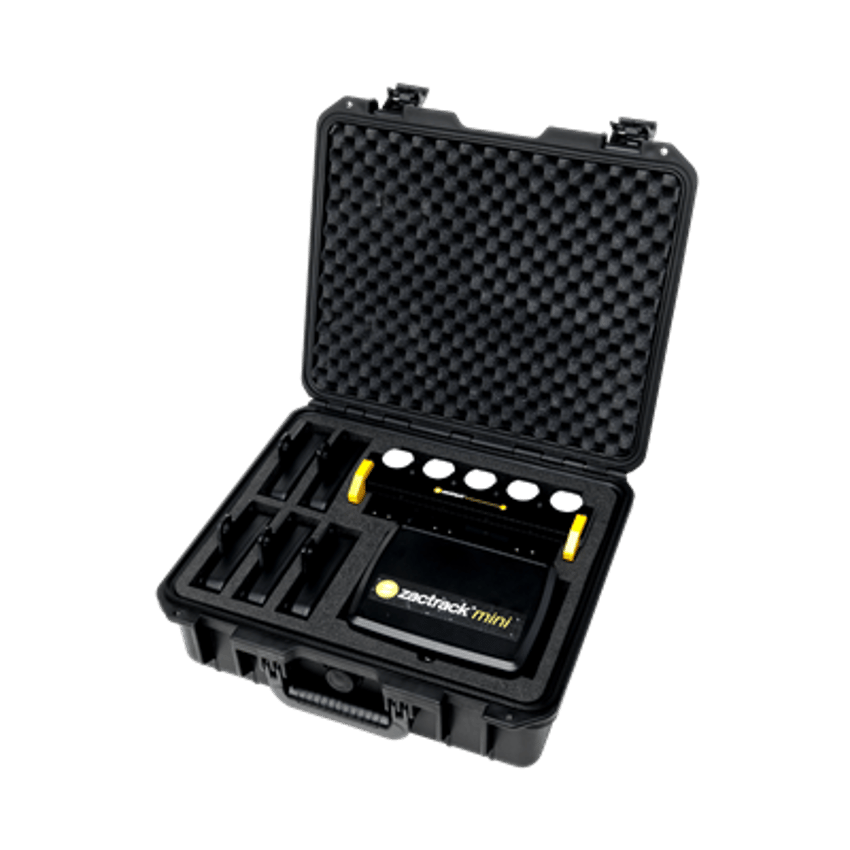
- zactrack: Real-time tracking hardware and software for controlling automated fixtures from performer or object position data.
Specifying tracking systems for AV projects
Tracking systems are usually specified together with moving heads, networked lighting control and rigging plans. Early coordination with the lighting designer, programmer and technical production team helps define tag count, coverage zones and required control outputs before installation. For the broader system context, explore our lighting solutions range.