
Media servers


Media servers:
Media servers are used in AV projects where video, graphics and show content must run from a managed playback environment. They serve system designers, integrators and technical production teams working on fixed installations, live venues, visitor experiences and event spaces. The value is not only in storing media files, but in triggering, synchronising and routing content with predictable behaviour during operation.
This category differs from standard presentation hardware or simple video players. A media server is specified around output mapping, timeline control, codec handling, genlock, network control and multi-display workflows. In projection, LED and multi-screen setups, the server often becomes the point where creative content meets the technical design of the room. That makes I/O, redundancy, control protocol support and operator access part of the project specification.
Playback, mapping and control in one system layer
Good server selection starts with the display surface. A single signage screen has different needs from a blended projection wall, an immersive room or a stage with moving scenic elements. Pixel count, refresh rate and colour pipeline affect the hardware choice. So do cue structures, timecode requirements and the way the system will be maintained after handover. For permanent installs, remote monitoring and repeatable startup behaviour are often more important than extra creative functions that will never be used on site.
The brands in our media servers range
The range focuses on platforms used for professional video playback, cueing and mapped output in controlled AV environments.
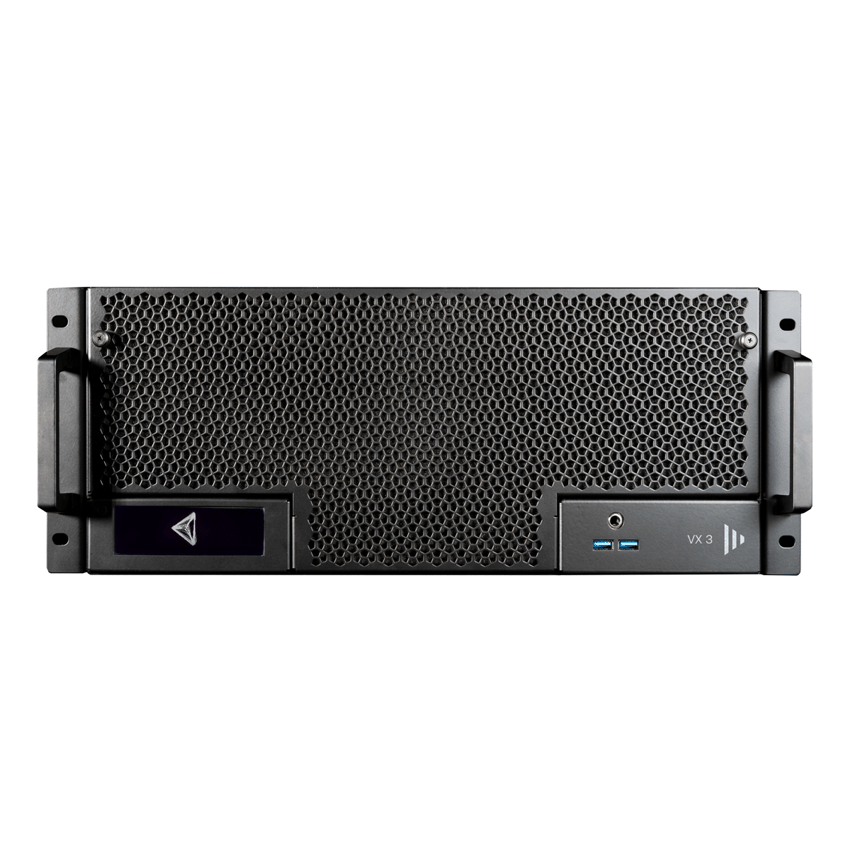
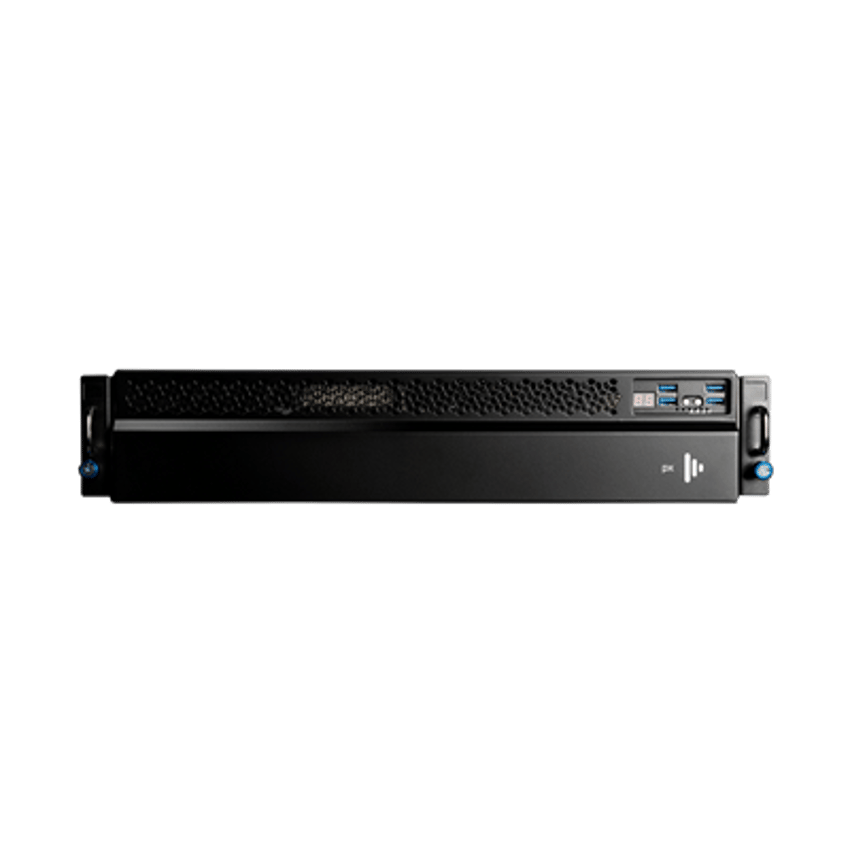
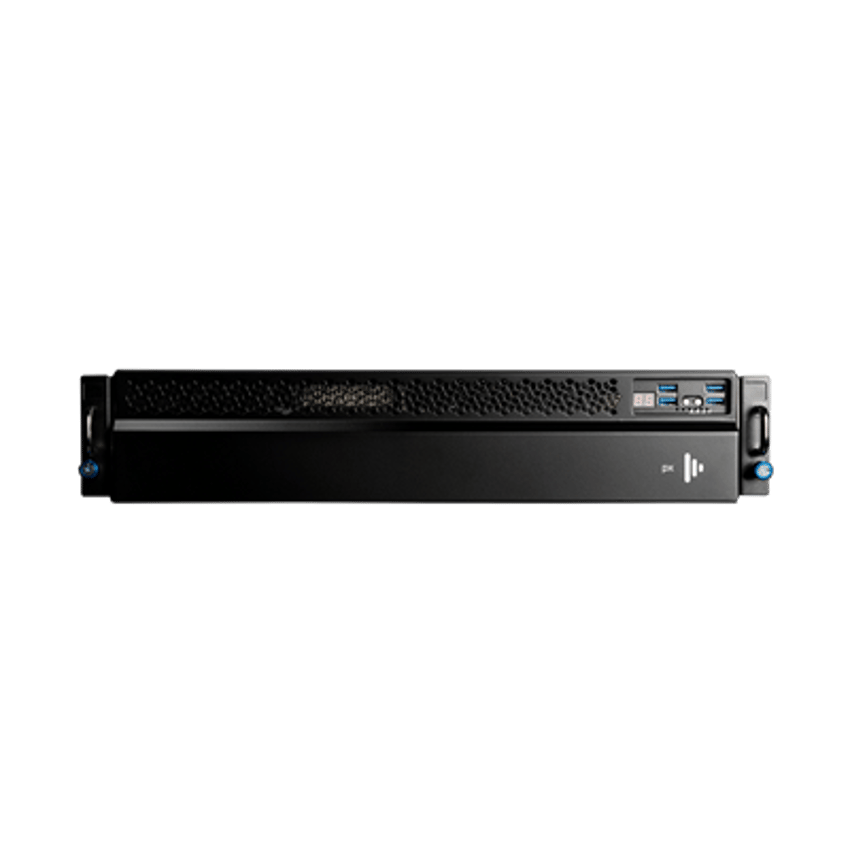
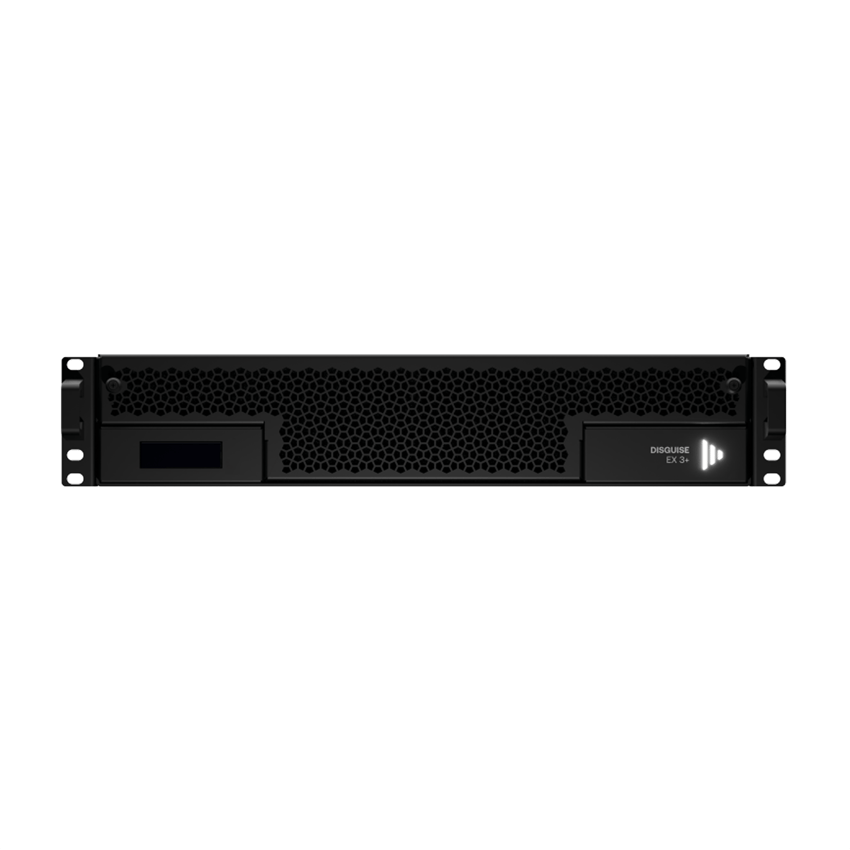
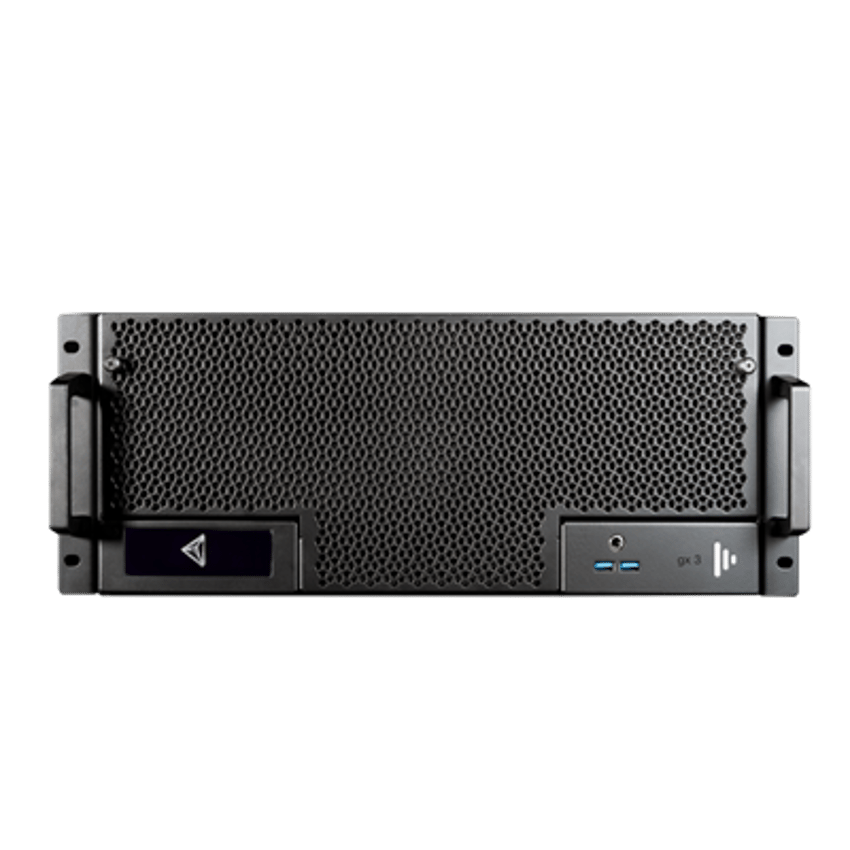
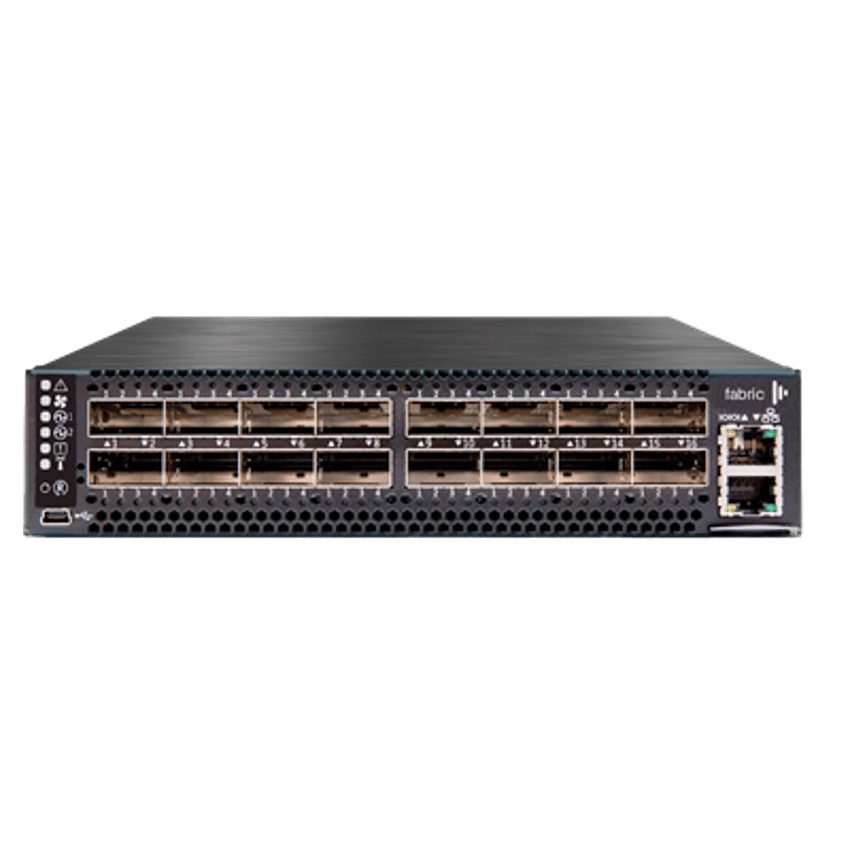
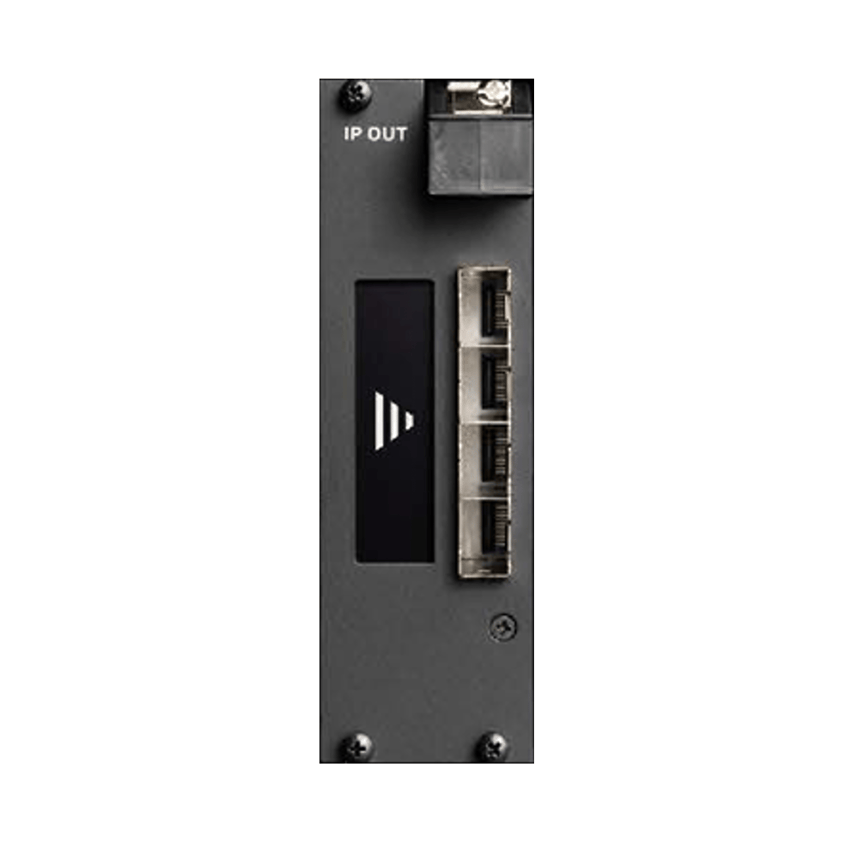
- disguise: Media server systems for real-time visual workflows, projection mapping, LED volumes and show control environments.
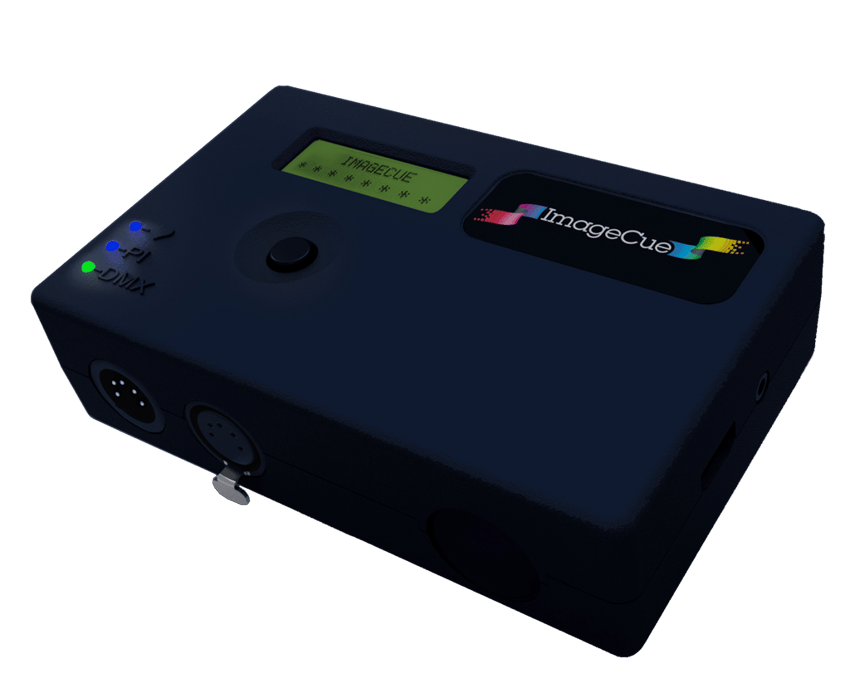
- ImageCue: Compact video playback units designed for DMX-controlled still image and clip triggering in lighting-based show setups.
Specifying media servers for AV projects
Specify these systems together with LED processors, projection hardware, signal distribution, control interfaces and operator stations. In larger projects, the server choice should be checked against the content resolution, the number of physical outputs and the control method used by the wider installation. For the broader system context, explore our media servers portfolio.